Delving into DIY vs. Professional Vinyl Siding Installation Cost: Is it Worth the Risk?, this introduction immerses readers in a unique and compelling narrative, with casual formal language style that is both engaging and thought-provoking from the very first sentence.
As we explore the realm of DIY vs. Professional Vinyl Siding Installation Cost: Is it Worth the Risk?, we uncover a fascinating landscape filled with insights and considerations.
DIY Vinyl Siding Installation
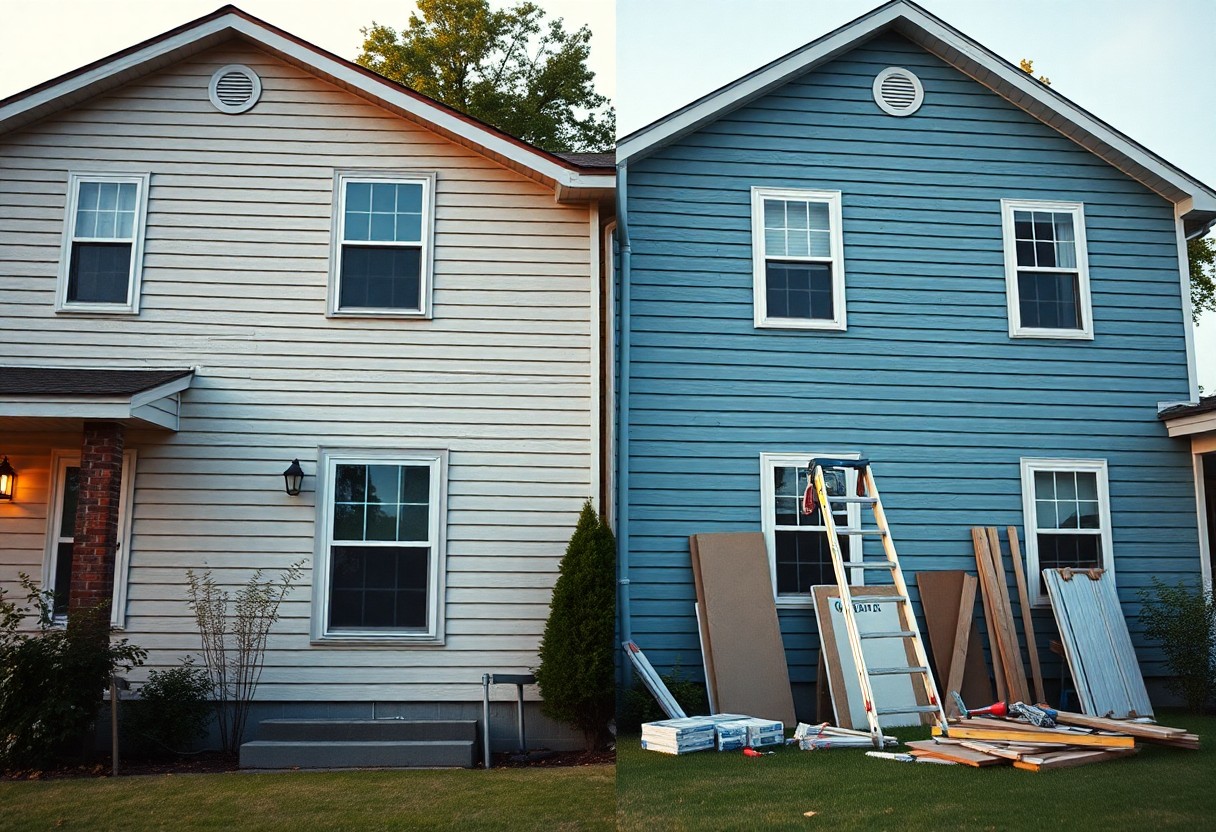 When it comes to DIY vinyl siding installation, homeowners can save money by taking on the project themselves. However, it's essential to understand the typical steps involved, the tools required, and how the cost compares to hiring a professional.
Typical Steps Involved in DIY Vinyl Siding Installation
- Prepare the exterior surface by cleaning and removing any old siding.
- Take accurate measurements to determine how much siding is needed.
- Install the starter strip and corner posts to ensure proper alignment.
- Cut and fit the siding panels according to the measurements.
- Secure the panels in place using nails or clips.
- Finish the installation by adding trim pieces and accessories.
Essential Tools Required for a DIY Vinyl Siding Project
- Vinyl siding cutter or snips
- Level
- Tape measure
- Hammer or nail gun
- J-channel cutter
- Siding removal tool
Cost Comparison for DIY vs. Professional Vinyl Siding Installation
While the cost of purchasing vinyl siding materials for a DIY project may be lower than hiring a professional, homeowners need to consider additional factors such as time, expertise, and potential mistakes. DIY installations may save money upfront, but errors could lead to costly repairs in the long run. Hiring a professional ensures a faster, more efficient installation with guaranteed results, which could ultimately save homeowners time and money in the future.
Professional Vinyl Siding Installation
When it comes to professional vinyl siding installation, homeowners can expect a meticulous and efficient process carried out by experienced professionals in the field. Here are some key points to consider when hiring a professional for vinyl siding installation:
Process of Professional Vinyl Siding Installation
- Initial consultation and assessment of the property to determine the scope of work and materials needed.
- Purchase of high-quality vinyl siding materials based on the homeowner's preferences and budget.
- Precise measurements and cutting of siding panels to ensure a perfect fit and seamless installation.
- Professional installation of siding using specialized tools and techniques to achieve a flawless finish.
- Quality inspection and clean-up to ensure the job is completed to the homeowner's satisfaction.
Advantages of Hiring a Professional for Vinyl Siding Installation
- Expertise: Professionals have the knowledge and experience to tackle any challenges that may arise during installation.
- Time-saving: Hiring professionals can save homeowners time and effort, as they can complete the job efficiently.
- Quality craftsmanship: Professionals can deliver a high-quality finish that enhances the curb appeal and value of the home.
- Warranty: Many professional installation companies offer warranties on their work, providing peace of mind for homeowners.
Potential Pitfalls and Challenges in Professional Vinyl Siding Installation
- Weather conditions: Unpredictable weather can delay the installation process and affect the quality of work.
- Unexpected structural issues: Professionals may encounter underlying structural problems that need to be addressed before installation can proceed.
- Cost: While professional installation may come at a higher cost than DIY, the quality and durability of the work often justify the investment.
- Communication: Clear communication between homeowners and professionals is essential to ensure the desired outcome is achieved.
Cost Analysis
When considering vinyl siding installation, cost plays a significant role in decision-making. Let's delve into the comparison between the overall cost of a DIY project versus hiring a professional.Overall Cost Comparison
| Cost Factors | DIY Installation | Professional Installation |
|---|---|---|
| Materials | Cost of materials purchased | Included in the total cost |
| Labor | Time spent on installation | Labor costs charged by the professional |
| Tools | Tools purchased or rented | Tools provided by the professional |
| Time | Personal time investment | Project completed in a specified timeframe |
| Quality | Dependent on personal skill level | Professional expertise and guarantee |
Factors Influencing Cost Difference
- Experience and Skill: Professionals have the expertise to complete the job efficiently, potentially reducing material waste and time.
- Tools and Equipment: DIY projects may require investment in specific tools, whereas professionals come equipped.
- Quality Assurance: Professionals ensure a high-quality finish, reducing the risk of future repairs or replacements.
- Time Commitment: DIY projects may take longer due to learning curves and personal schedules, impacting overall costs.
Cost-Saving Tips
- DIY: Research thoroughly, borrow tools if possible, and consider purchasing materials during sales or discounts.
- Professional: Obtain multiple quotes, negotiate prices, and inquire about any available discounts or promotions.
Quality and Durability
When it comes to vinyl siding, the quality of the installation plays a crucial role in determining its durability over time. Whether you opt for a DIY approach or hire a professional, the installation quality can significantly impact how long your siding will last and how well it will perform.Comparison Table: DIY vs. Professional Vinyl Siding Installation
| Aspect | DIY Installation | Professional Installation |
|---|---|---|
| Attention to Detail | May lack precision resulting in gaps or misalignment | Professionals ensure precise installation for a seamless finish |
| Tools and Equipment | DIYers may not have access to specialized tools required for optimal installation | Professionals have the right tools and experience for efficient installation |
| Time and Efficiency | DIY projects may take longer and lead to errors | Professionals work efficiently, completing the installation in a timely manner |
Impact of Installation Quality on Longevity
Proper installation by professionals ensures that the vinyl siding is securely attached, without gaps or loose areas that can lead to water infiltration or damage. On the other hand, DIY installation may result in imperfect alignment or inadequate sealing, which can compromise the siding's ability to withstand harsh weather conditions over time.DIY Installation and Overall Durability
When vinyl siding is not installed correctly, it can be prone to warping, cracking, or coming loose. DIY projects that lack the precision and expertise of professionals may lead to such issues, reducing the overall durability of the siding. Investing in professional installation can help ensure that your vinyl siding remains durable and visually appealing for years to come.Final Review
In conclusion, the comparison between DIY and professional vinyl siding installation costs unveils a nuanced picture that demands careful consideration.
Common Queries
What are the typical steps involved in DIY vinyl siding installation?
Typical steps include preparing the surface, measuring and cutting siding panels, and securing them to the wall.
What are the advantages of hiring a professional for vinyl siding installation?
Professionals bring expertise, tools, and efficiency to the job, ensuring high-quality results.
What factors contribute to the cost difference between DIY and professional installation?
Factors include labor costs, material quality, and potential rework needed in DIY projects.
How does installation quality impact the longevity of vinyl siding?
Quality installation ensures proper alignment and sealing, leading to a longer lifespan for the siding.
How does DIY installation affect the overall durability of the siding?
DIY installation may lead to issues like improper fitting or sealing, which can impact the durability of the siding over time.