As we delve into the world of exterior siding trends in the US and Europe, a fascinating journey unfolds. From the materials used to the design elements embraced, this exploration promises to shed light on the evolving landscape of architectural aesthetics.
From traditional styles to emerging innovations, this discussion will provide valuable insights into the dynamic nature of exterior siding trends across continents.
Exterior Siding Trends in the US
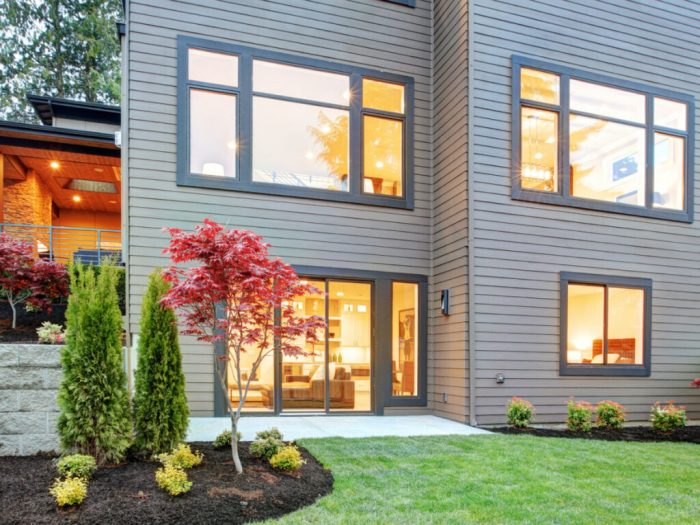
When it comes to exterior siding in the United States, there are several key trends shaping the industry. Let's take a closer look at the popular materials, color trends, traditional styles versus modern designs, and innovative textures.
Popular Materials for Exterior Siding
In the US, some of the most popular materials used for exterior siding include:
- Vinyl: Known for its affordability and low maintenance requirements.
- Fiber Cement: Durable and resistant to pests and rot.
- Wood: Offers a classic and natural look, but requires more maintenance.
- Brick: Provides a timeless and elegant appearance.
Color Trends in Exterior Siding
Color trends in exterior siding often vary based on regional preferences and architectural styles. Currently, some popular color choices include:
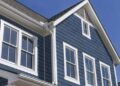
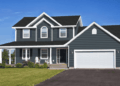
- Neutral Tones: Shades of gray, beige, and taupe remain popular for a timeless look.
- Bold Colors: Some homeowners are opting for bold choices like navy blue or forest green to make a statement.
- Black Accents: Black trim or accents are gaining popularity for a modern and sleek aesthetic.
Traditional Styles vs. Modern Trends
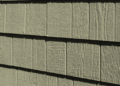
While traditional siding styles like clapboard or shingles are still prevalent in many areas, modern trends are also making an impact. Contemporary designs often feature:
- Clean Lines: Minimalist designs with straight lines and geometric shapes.
- Mixed Materials: Combining different siding materials for a unique look.
- Large Panels: Oversized siding panels for a bold and modern appearance.
Innovative Textures and Finishes
To add visual interest and depth to exterior siding, innovative textures and finishes are becoming more popular. Some examples include:
- Wood Grain Texture: Mimicking the look and feel of real wood for a natural aesthetic.
- Metallic Finishes: Adding a touch of glamour with metallic finishes like copper or bronze.
- Textured Panels: Siding panels with raised textures or embossed patterns for a unique look.
Exterior Siding Trends in Europe
When it comes to exterior siding trends in Europe, there are some distinct differences compared to the US.
Popular Siding Materials in Europe vs. US
In Europe, popular siding materials include wood, brick, stucco, and stone. These materials are often used to create a timeless and elegant look that blends seamlessly with the surrounding architecture. On the other hand, the US tends to favor vinyl, fiber cement, and metal siding for their durability and low maintenance requirements.
Influence of Climate on Siding Choices in Europe
- European countries with harsh winters often opt for brick or stone siding for better insulation and protection against the elements.
- In regions with milder climates, wood siding is a popular choice for its natural beauty and versatility in design.
Unique European Design Elements
- European exterior siding often features intricate detailing, such as decorative patterns, trim work, and vibrant colors that reflect the region's rich architectural history.
- European homes may also incorporate elements like shutters, balconies, and arched windows to enhance the overall aesthetic appeal.
Sustainability in European Siding Trends
Many European countries place a strong emphasis on sustainability and eco-friendly practices in construction. As a result, there is a growing trend towards using recycled materials, such as reclaimed wood or eco-friendly composite siding, to reduce environmental impact and promote a more sustainable future.
Emerging Trends in Exterior Siding
As the exterior siding industry continues to evolve, several emerging trends are shaping the way buildings are clad. From eco-friendly materials to smart technology integration, these trends are revolutionizing the world of exterior design.
Shift towards Eco-Friendly Siding Materials
- Bio-based materials: Siding options made from natural materials like wood, bamboo, and cork are gaining popularity due to their sustainability and eco-friendly properties.
- Recycled materials: Siding products made from recycled content such as reclaimed wood or recycled plastics are being embraced for their environmental benefits.
- Green certifications: Consumers are increasingly looking for siding options that are certified as environmentally friendly, such as those with Energy Star or LEED certifications.
Integration of Smart Technology in Modern Siding Designs
- Solar panel integration: Siding panels with built-in solar technology are being developed to harness renewable energy and reduce overall energy consumption.
- Smart sensors: Siding systems equipped with sensors can monitor temperature, humidity, and other environmental factors to optimize energy efficiency and indoor comfort.
- Interactive facades: Some modern siding designs incorporate interactive elements like LED lighting or digital displays to enhance the building's aesthetics and functionality.
Cultural Influences Shaping Emerging Trends in Exterior Siding
- Regional aesthetics: Different regions have unique architectural styles and preferences that influence the choice of siding materials and colors, reflecting the cultural heritage of the area.
- Sustainability awareness: Cultures that prioritize environmental conservation and sustainability often drive the demand for eco-friendly siding materials and energy-efficient solutions.
- Historical preservation: In areas with rich architectural history, traditional siding materials and designs are often preserved or reinterpreted in modern contexts to honor cultural heritage.
Unconventional Siding Materials Gaining Popularity
- Corten steel: Weathering steel siding offers a rustic aesthetic and durable finish that evolves over time, making it a unique choice for modern architectural projects.
- Fiber cement: A versatile and low-maintenance siding material, fiber cement is becoming increasingly popular for its durability, fire resistance, and ability to mimic the look of wood or stucco.
- Glass: Transparent or translucent glass panels are being used as siding elements to create visually striking facades that play with light and reflections in innovative ways.
Installation and Maintenance Considerations
When it comes to exterior siding, proper installation and maintenance are crucial for the longevity and overall performance of the material. Here, we will discuss the key factors to consider during installation, the importance of maintenance, cost implications, and tips for ensuring durability.
Key Factors to Consider During Installation
- Choose the right material: Consider factors such as climate, architectural style, and personal preference when selecting siding material.
- Hire a professional installer: Proper installation is essential to prevent issues such as water damage, warping, or gaps in the siding.
- Ensure proper insulation: Proper insulation can improve energy efficiency and protect the siding from moisture damage.
Importance of Proper Maintenance
- Regular cleaning: Dirt, mold, and mildew can accumulate on siding, leading to deterioration if not cleaned regularly.
- Inspect for damage: Check for any signs of damage such as cracks, peeling paint, or loose panels, and address them promptly.
- Repainting or resealing: Depending on the material, repainting or resealing may be necessary to protect the siding from weather elements.
Cost Implications of Various Siding Options
- Vinyl siding: Generally the most cost-effective option upfront, but may require more frequent replacement compared to other materials.
- Fiber cement: Higher initial cost but lower maintenance requirements, resulting in long-term cost savings.
- Wood siding: Moderate upfront cost with the potential for high maintenance costs due to susceptibility to rot and pests.
Tips for Ensuring Durability and Longevity
- Regular inspections: Keep an eye out for any signs of damage and address them promptly.
- Proper ventilation: Ensure proper ventilation behind the siding to prevent moisture buildup.
- Trim trees and shrubs: Trim back foliage near the siding to prevent damage from branches and roots.
Wrap-Up
In conclusion, the intricate tapestry of exterior siding trends in the US and Europe reflects a blend of tradition, innovation, and sustainability. As we look towards the future, these trends will continue to shape the visual identity of our architectural surroundings, offering endless possibilities for creativity and expression.
Essential Questionnaire
What are the most popular materials used for exterior siding?
The most popular materials for exterior siding include vinyl, fiber cement, wood, and metal.
How does climate influence exterior siding choices in Europe?
Climate in Europe plays a significant role in siding choices, with more emphasis on durability and insulation.
What are some unconventional siding materials gaining popularity?
Unconventional siding materials like reclaimed wood, glass, and stone are gaining popularity for their unique aesthetics.