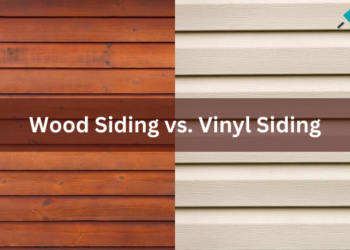
Wood Siding vs Vinyl Siding: Which Material Handles Extreme Climates Better? sets the stage for this enthralling narrative, offering readers a glimpse into a story that is rich in detail with a casual formal language style and brimming with originality from the outset.
As we delve into the comparison between wood siding and vinyl siding, we uncover the intricate details that shape these materials' performance in varying climates.
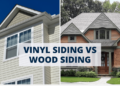
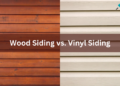
Wood Siding vs Vinyl Siding
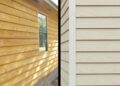
Wood siding and vinyl siding are two popular options for exterior cladding of homes. Wood siding is typically made from natural wood materials such as cedar, pine, or redwood, giving it a traditional and rustic look. On the other hand, vinyl siding is made from PVC (polyvinyl chloride) resin and comes in a variety of colors and styles, offering a more modern and versatile appearance.Material and Durability
Wood siding is known for its natural beauty and warmth, but it requires regular maintenance such as painting, staining, and sealing to protect it from the elements. In contrast, vinyl siding is virtually maintenance-free, as it does not need to be painted and is resistant to rot, insects, and moisture. Vinyl siding is also more durable and can withstand extreme weather conditions better than wood siding.Aesthetic Appeal and Cost
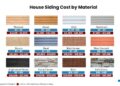
Wood siding is praised for its timeless appeal and classic charm, adding character and authenticity to a home. However, the initial cost of wood siding is higher than vinyl siding, and the ongoing maintenance expenses can add up over time. Vinyl siding, while lacking the natural beauty of wood, offers a wide range of colors and styles at a more affordable price point. Additionally, the longevity and low maintenance requirements of vinyl siding can make it a cost-effective choice in the long run.Handling Extreme Climates
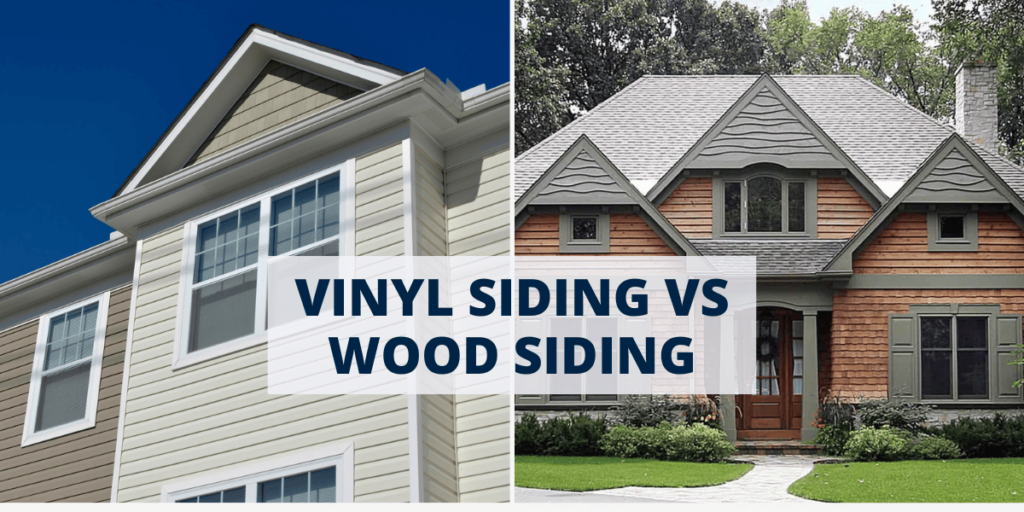
When it comes to extreme climates, both wood siding and vinyl siding have different ways of handling the challenges presented by hot, cold, or humid conditions. Let's delve into how each material performs under these circumstances.
Wood Siding
Wood siding is known for its natural beauty and traditional appeal, but it can be affected by extreme climates. In hot conditions, wood siding may expand and contract, leading to warping or cracking. The moisture from humid climates can also cause wood siding to swell, rot, or attract mold and mildew. Additionally, prolonged exposure to sunlight can fade the color of wood siding over time.
Vinyl Siding
Vinyl siding, on the other hand, is engineered to withstand extreme weather conditions. It is highly resistant to moisture, making it a suitable choice for humid climates where wood siding may struggle. Vinyl siding is also designed to expand and contract with temperature changes, reducing the risk of warping or cracking. Moreover, vinyl siding is UV-resistant, so it does not fade as quickly when exposed to sunlight.
Maintenance Requirements
Wood siding and vinyl siding both have their own maintenance requirements when it comes to extreme climates. Let's delve into the specifics of what it takes to keep these materials in top shape under harsh weather conditions.Maintenance Needs for Wood Siding in Extreme Climates
Wood siding requires regular maintenance to withstand extreme climates- Regularly inspect for any signs of damage or decay, such as cracks, peeling paint, or water stains.
- Apply a protective sealant or stain to prevent moisture penetration and UV damage.
- Keep the siding clean by washing it with a mild detergent and water to remove dirt and debris.
- Trim vegetation near the siding to prevent mold growth and maintain airflow.
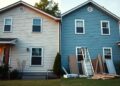
- Repair any damaged or loose boards promptly to prevent further deterioration.
Comparison of Maintenance Demands of Vinyl Siding in Extreme Climates
Vinyl siding, on the other hand, is known for its low maintenance requirements in extreme climates. Unlike wood siding, vinyl is resistant to moisture, rot, and insect damage. The maintenance demands of vinyl siding include:- Occasional cleaning with a mixture of water and mild detergent to remove dirt and grime.
- Inspecting for any cracks or loose panels and repairing them as needed to maintain the siding's integrity.
- Avoiding direct contact with heat sources, as vinyl can warp or melt under high temperatures.
- Ensuring proper installation to prevent wind damage and water infiltration behind the siding.
- Periodically checking for mold or mildew growth and addressing it promptly to prevent further spread.
Environmental Impact
Wood and vinyl siding have different environmental impacts that should be considered when choosing between the two materials. While wood siding is often praised for its natural look and sustainability, vinyl siding also has its own eco-friendliness and recyclability to offer.Sustainability Aspects of Wood Siding
Wood siding is typically sourced from renewable forests, making it a more sustainable option compared to other siding materials. The production process of wood siding also has a lower carbon footprint compared to vinyl siding. However, it is important to ensure that the wood is sourced from responsibly managed forests to prevent deforestation and promote reforestation efforts. When properly maintained, wood siding can last for decades, reducing the need for frequent replacements and minimizing waste.Eco-friendliness and Recyclability of Vinyl Siding
Vinyl siding is known for its durability and low maintenance requirements, making it a popular choice for homeowners. While the production of vinyl siding does involve the use of fossil fuels, it can be recycled at the end of its lifespan. Recycling vinyl siding helps reduce the amount of waste sent to landfills and promotes a more sustainable approach to home improvement projects. Additionally, the energy-efficient properties of vinyl siding can help reduce the overall energy consumption of a home, making it a more environmentally friendly option in the long run.Epilogue
In conclusion, the debate between wood siding and vinyl siding in extreme climates is multifaceted, with each material presenting unique advantages and drawbacks. By weighing factors like durability, maintenance, and environmental impact, homeowners can make an informed decision based on their specific needs and preferences.
Detailed FAQs
Which material is better for extreme climates - wood siding or vinyl siding?
In extreme climates, vinyl siding tends to outperform wood siding due to its resilience against temperature changes and moisture.
How does wood siding fare in hot and humid climates?
Wood siding can expand and contract in hot and humid conditions, leading to potential warping or rot if not properly maintained.
Is vinyl siding more cost-effective than wood siding in extreme climates?
Generally, vinyl siding is considered more cost-effective in extreme climates due to its lower maintenance requirements and durability.