Beginning with Maintenance Comparison: Why Vinyl Fencing vs Wood Fencing Divides Homeowners, the narrative unfolds in a compelling and distinctive manner, drawing readers into a story that promises to be both engaging and uniquely memorable.
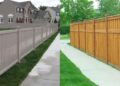
When it comes to choosing between vinyl fencing and wood fencing, homeowners often find themselves divided over the maintenance requirements each material demands. This article delves into the key differences in maintenance between vinyl and wood fencing, shedding light on the factors that influence homeowners' decisions.
Vinyl Fencing Maintenance
Vinyl fencing is known for its low maintenance requirements, making it a popular choice among homeowners looking for a hassle-free fencing option. Unlike wood fencing, vinyl does not require regular painting, staining, or sealing to maintain its appearance.Maintenance Requirements
- Regular cleaning with soap and water is usually sufficient to keep vinyl fencing looking new.
- Occasional pressure washing can help remove stubborn dirt and stains.
- Inspecting for any damage or loose pieces is recommended to address issues promptly.
Upkeep Costs
- While the initial cost of vinyl fencing may be higher than wood, the savings in maintenance costs over time can make it a more cost-effective option.
- With minimal upkeep required, homeowners can save on painting, staining, and sealing materials and labor costs.
Durability Factors
- Vinyl fencing is resistant to rotting, warping, and insect damage, reducing the need for frequent repairs.
- The UV-resistant properties of vinyl help prevent fading and discoloration, maintaining the fence's appearance for years to come.
Wood Fencing Maintenance
 Wood fencing requires regular maintenance to ensure its longevity and aesthetic appeal. Unlike vinyl fencing, wood fencing demands more attention and care due to its natural material composition.
Maintenance Tasks for Wood Fencing
- Regular cleaning to remove dirt, debris, and mold
- Sealing or staining every few years to protect against moisture and UV damage
- Checking for rot, insect infestations, and warping
- Replacing damaged or rotten boards promptly
Challenges in Maintaining Wood Fencing
- Wood is susceptible to rot, decay, and insect damage
- Weather exposure can lead to warping, splitting, and discoloration
- Ongoing maintenance can be time-consuming and costly
Longevity of Wood Fencing and Maintenance Impact
Wood fencing, when properly maintained, can last for decades. However, the frequency and quality of maintenance directly impact its longevity. Neglecting regular upkeep can shorten the lifespan of wood fencing significantly, leading to costly repairs or replacement sooner than expected.Cost Analysis
When it comes to choosing between vinyl and wood fencing, cost is a significant factor to consider. Let's break down the maintenance costs for both options and discuss the long-term financial implications.Vinyl Fencing Maintenance Cost Breakdown
- Initial Cost: Vinyl fencing tends to have a higher upfront cost compared to wood fencing. However, this cost is offset by the minimal maintenance required over time.
- Cleaning: Vinyl fencing typically only requires occasional cleaning with soap and water, reducing the need for costly cleaning products or professional services.
- Repairs: In the rare event that a vinyl panel needs to be replaced, the cost is relatively low compared to wood fencing, which may require more extensive repairs.
Wood Fencing Maintenance Comparative Analysis
- Initial Cost: Wood fencing is generally more affordable upfront than vinyl fencing. However, the long-term maintenance costs can add up significantly.
- Staining/Painting: Wood fencing requires regular staining or painting to maintain its appearance and protect it from the elements. This ongoing cost can be substantial over time.
- Repairs: Wood fencing is more prone to damage from rot, pests, and weather conditions, leading to potentially costly repairs and replacements.
Long-Term Financial Implications
- Choosing vinyl fencing may result in higher initial costs but lower long-term maintenance expenses, making it a cost-effective option over time.
- Wood fencing may be cheaper upfront, but the ongoing maintenance and repair costs can make it a more expensive choice in the long run.
- Considering the durability and minimal maintenance requirements of vinyl fencing, homeowners can save money and time over the years by opting for this low-maintenance option.
Environmental Impact
When it comes to choosing between vinyl and wood fencing, considering the environmental impact of maintenance practices is crucial in making an informed decision. Let's delve into the sustainability and eco-friendliness of both options.Vinyl Fencing Maintenance
Vinyl fencing is often touted as a low-maintenance option, as it does not require painting, staining, or sealing like wood fencing. However, the production of vinyl involves the use of chemicals and petroleum, which can have negative environmental implications. Additionally, the disposal of vinyl fencing at the end of its lifespan can contribute to landfill waste and pollution.Wood Fencing Maintenance
Wood fencing, on the other hand, requires regular maintenance such as painting, staining, and sealing to protect it from the elements and prolong its lifespan. While wood is a renewable resource, the use of chemical treatments and sealants can have environmental consequences. Proper disposal of treated wood is also important to prevent environmental harm.Comparison
In terms of eco-friendliness, wood fencing has the advantage of being a renewable resource. However, the maintenance practices involved, including the use of chemicals and treatments, can offset this benefit. Vinyl fencing may require less maintenance, but its production and disposal processes have a significant environmental impact. Ultimately, homeowners should weigh the pros and cons of both options and consider the long-term effects on the environment when choosing between vinyl and wood fencing.Conclusive Thoughts
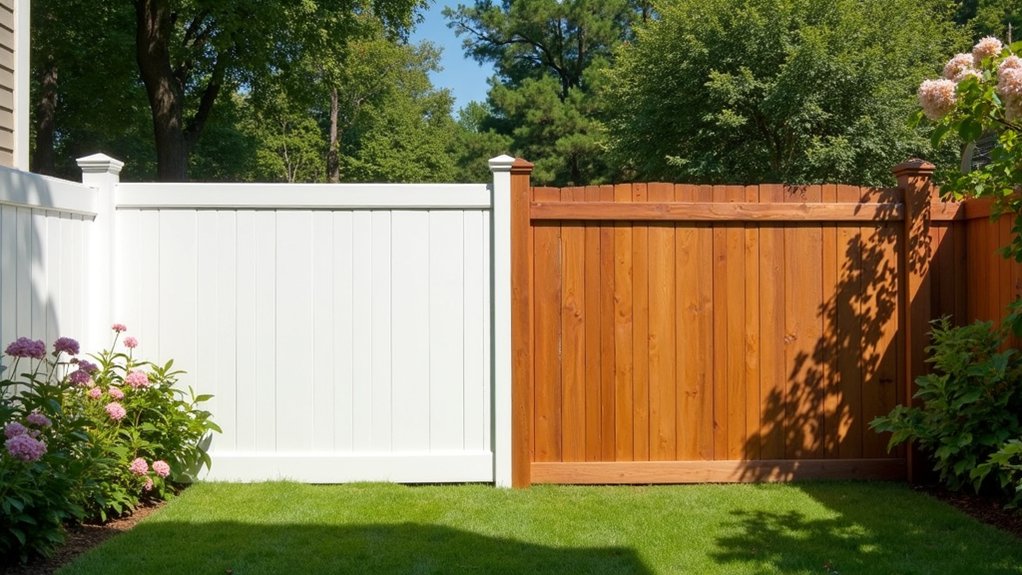
In conclusion, the debate between vinyl fencing and wood fencing maintenance is a crucial one for homeowners to consider. By weighing the costs, environmental impact, and long-term implications of their choice, homeowners can make an informed decision that suits their needs and preferences. Whether it's the durability of vinyl or the classic appeal of wood, each option comes with its own set of maintenance challenges that shape the fencing landscape for homeowners.
FAQ Insights
What are the main maintenance requirements for vinyl fencing?
Vinyl fencing typically requires occasional cleaning with soap and water to maintain its appearance. It is resistant to rot, mold, and insects, making it a low-maintenance option for homeowners.
What are the challenges faced by homeowners in maintaining wood fencing?
Wood fencing needs regular staining or painting to prevent rot and decay. It is susceptible to insect infestations and requires more upkeep compared to vinyl fencing.
How do the long-term financial implications differ between vinyl and wood fencing maintenance?
While wood fencing may have lower upfront costs, the long-term maintenance expenses can add up. Vinyl fencing, on the other hand, requires minimal maintenance and can be a cost-effective choice in the long run.