Exploring the intricacies of estimating vinyl siding installation costs for multi-story properties, this introduction sets the stage for a comprehensive and informative discussion that delves into the key factors affecting pricing and the strategies for cost-saving.
The subsequent paragraphs will provide detailed insights into labor costs, materials needed, budgeting tips, and more.
Factors influencing vinyl siding installation cost for multi-story properties
When estimating the cost of vinyl siding installation for multi-story properties, several factors come into play that can impact the overall pricing.
Property Size
The size of the property directly influences the cost of vinyl siding installation. Larger properties will require more materials and labor, leading to higher overall costs.
Type and Quality of Vinyl Siding
The type and quality of vinyl siding chosen for the installation also play a significant role in pricing. Higher quality materials will generally cost more, but they may offer better durability and aesthetics in the long run.
Complexity of Property Design
The complexity of the property's design can affect installation costs as well. Properties with intricate architectural details, multiple stories, or unique features may require more time and expertise to install the vinyl siding properly, resulting in higher costs.
Estimating labor costs for vinyl siding installation on multi-story buildings
When it comes to estimating labor costs for vinyl siding installation on multi-story buildings, it's important to consider various factors that can influence the overall cost. Labor costs typically make up a significant portion of the total cost of a siding installation project, especially for multi-story properties.Hourly rates for professional installers
Professional installers typically charge hourly rates for their services, which can vary depending on factors such as location, experience, and demand. On average, hourly rates for professional vinyl siding installers can range from $40 to $70 per hour. It's essential to get quotes from multiple installers to compare rates and find the best option for your budget.Height of the building influence on labor costs
The height of a multi-story building can significantly impact labor costs for vinyl siding installation. Working on higher levels requires specialized equipment, more labor hours, and often additional safety measures. Installers may need scaffolding, ladders, or lifts to reach the upper levels, which can increase the overall labor costs of the project.Additional labor considerations for multi-story properties
In addition to the height of the building, there are other labor considerations to keep in mind for multi-story properties. Installing siding on tall buildings may require more manpower to handle the materials and navigate the vertical space efficiently. Weather conditions, access to the property, and the complexity of the design can also affect labor costs. It's essential to factor in these additional considerations when estimating the labor costs for vinyl siding installation on multi-story buildings.Materials needed for vinyl siding installation on multi-story properties
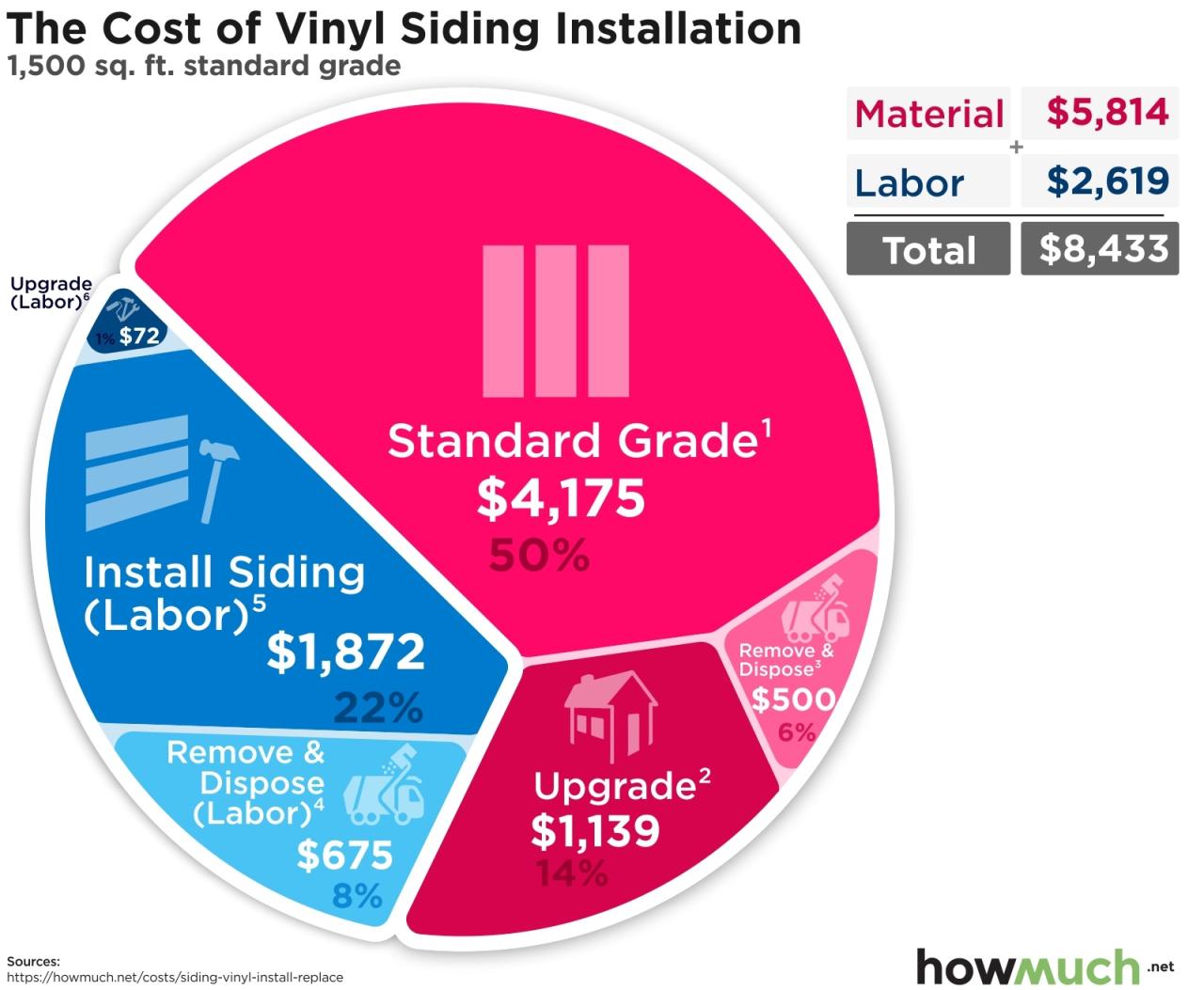 Installing vinyl siding on multi-story properties requires a specific set of materials to ensure a successful and long-lasting installation. The materials needed for this type of project vary slightly from those used for single-story buildings due to the additional height and complexity involved.
Essential Materials for Vinyl Siding Installation on Multi-Story Properties
- Vinyl siding panels: These panels are the main component of the siding and come in a variety of colors and styles to suit different architectural designs.
- J-channels and corner posts: These are used to frame windows, doors, and corners, providing a finished look and protecting the edges of the siding.
- Trim pieces: Trim pieces are essential for covering seams, edges, and other areas where the siding meets different surfaces.
- Nails and screws: These fasteners are used to secure the siding panels and other components to the structure of the building.
- House wrap and insulation: House wrap helps to protect the building from moisture, while insulation improves energy efficiency and provides additional support for the siding.
Differences in Material Costs for Multi-Story Structures
- Additional materials: Multi-story properties require more materials due to the increased surface area that needs to be covered with siding. This can lead to higher costs for materials compared to single-story buildings.
- Scaffolding and safety equipment: Installing siding on multi-story properties often requires the use of scaffolding and safety equipment, which can add to the overall material costs.
- Specialized tools: Working on a multi-story building may require specialized tools and equipment to reach higher areas, increasing the overall material expenses.
Importance of Quality Materials in Long-Term Cost Savings
- Longevity: High-quality materials are more durable and resistant to weathering, reducing the need for frequent repairs or replacements in the long run.
- Energy efficiency: Insulation and house wrap made from quality materials can improve the energy efficiency of the building, leading to lower heating and cooling costs over time.
- Curb appeal: Quality materials often have a better appearance and finish, enhancing the overall aesthetic of the property and potentially increasing its value.
Budgeting tips and cost-saving strategies for vinyl siding installation
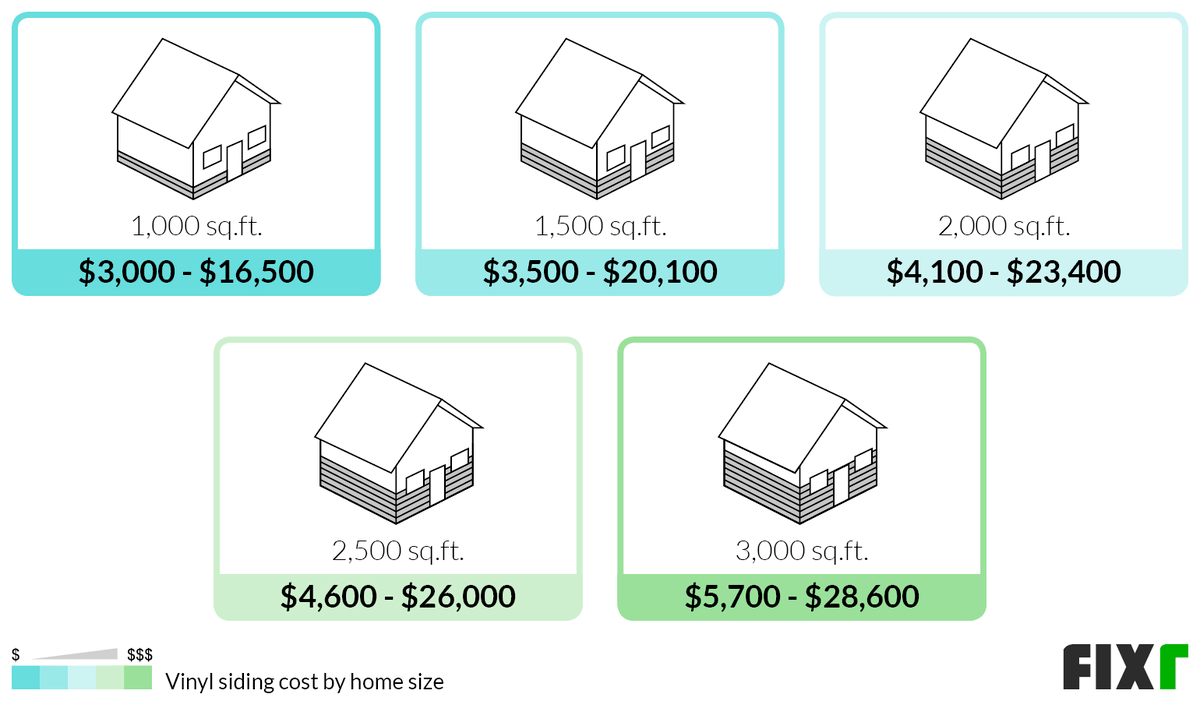 When it comes to vinyl siding installation on multi-story properties, budgeting effectively and implementing cost-saving strategies can make a significant difference in the overall project expenses. By following these tips, you can ensure that you stay within your budget while still achieving high-quality results.
Negotiating with contractors to lower costs
One effective strategy for saving on vinyl siding installation costs is to negotiate with contractors to lower their prices. You can consider the following tactics:- Ask for competitive bids from multiple contractors and compare their pricing and services.
- Discuss the scope of work and see if there are any areas where costs can be reduced without compromising on quality.
- Consider offering to pay upfront or in cash to see if you can secure a discount.
- Look for contractors who offer promotions or discounts for new customers.
Obtaining multiple quotes from different providers
Getting multiple quotes from different providers is essential when budgeting for vinyl siding installation. This allows you to compare prices, services, and the quality of materials offered by each contractor. Some tips for obtaining multiple quotes include:- Reach out to at least three different contractors to get a range of pricing options.
- Ensure that each quote includes a detailed breakdown of costs for materials, labor, and any additional services.
- Ask for references or examples of past projects to assess the quality of work provided by each contractor.
- Consider online reviews and ratings to gauge the reputation of the contractors you are considering.
DIY options for cost savings on installation
While vinyl siding installation is typically a job for professionals, there are some tasks that homeowners can take on themselves to save on costs. DIY options for cost savings on installation include:- Removing old siding or preparing the surface for installation.
- Handling cleanup and disposal of debris to reduce labor costs.
- Assisting with tasks like measuring and cutting materials under the guidance of the contractor.
- Researching installation techniques and best practices to ensure a smooth process.
Concluding Remarks
In conclusion, understanding how to estimate vinyl siding installation costs for multi-story properties is crucial for successful planning and execution. By considering the factors discussed and implementing the cost-saving strategies Artikeld, property owners can navigate this process with confidence and efficiency.
Detailed FAQs
How does the size of the property impact the cost?
The larger the property, the more materials and labor are required, leading to higher costs.
What are typical hourly rates for professional installers?
Hourly rates can vary but usually range from $40 to $70 per hour.
Why is using quality materials important for long-term cost savings?
Quality materials are more durable and require less maintenance, reducing long-term repair and replacement costs.