Beginning with Eco-Friendly Perspectives: Wood Siding vs Vinyl Siding Environmental Impact, the narrative unfolds in a compelling and distinctive manner, drawing readers into a story that promises to be both engaging and uniquely memorable.
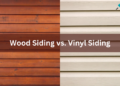
In this article, we delve into the comparison between wood siding and vinyl siding from an environmental standpoint, exploring factors such as carbon footprint, recyclability, energy consumption, sustainability, maintenance, and design considerations. By the end, you'll have a comprehensive understanding of the eco-friendly aspects of these siding options.
Environmental Impact of Wood Siding vs Vinyl Siding
Wood siding and vinyl siding are popular choices for home exteriors, but they have different environmental impacts. Let's compare the carbon footprint, recyclability, and energy consumption of these two siding materials.Carbon Footprint
Wood siding is generally considered more environmentally friendly in terms of carbon footprint compared to vinyl siding. The production of wood siding involves less energy-intensive processes and emits fewer greenhouse gases. Additionally, wood is a renewable resource that can be sustainably harvested, further reducing its environmental impact. On the other hand, the production of vinyl siding requires the use of fossil fuels and releases more harmful chemicals into the environment.Recyclability
Wood siding is biodegradable and can be easily recycled or repurposed at the end of its life cycle. This makes wood siding a more sustainable option compared to vinyl siding, which is non-biodegradable and difficult to recycle. Vinyl siding often ends up in landfills, contributing to environmental pollution and waste accumulation.Energy Consumption
The manufacturing process of wood siding generally consumes less energy compared to vinyl siding. Wood siding production involves less intensive chemical processes and requires fewer resources overall. In contrast, the production of vinyl siding involves the use of petrochemicals and requires more energy, contributing to a higher environmental impact.Sustainability Factors
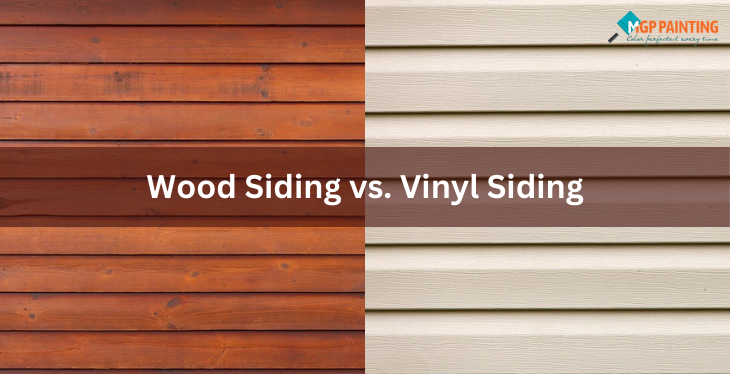 Wood siding is known for its sustainable characteristics, as it is a renewable resource that can be sourced from responsibly managed forests. This ensures that the supply of wood siding materials can be replenished over time, making it a more environmentally friendly option compared to vinyl siding.
Renewable Aspects of Wood Siding
- Wood siding is biodegradable and can be easily recycled or repurposed at the end of its lifespan, reducing waste and environmental impact.
- Forests can be replenished through sustainable forestry practices, ensuring a continuous supply of wood for siding materials.
- Wood siding production consumes less energy compared to the manufacturing process of vinyl siding, further reducing its environmental footprint.
Durability and Longevity of Wood Siding
- Wood siding is known for its durability and longevity, with proper maintenance it can last for decades, reducing the need for frequent replacements.
- Wood siding can be easily repaired or refinished, extending its lifespan and reducing the overall environmental impact of the material.
- When properly cared for, wood siding can withstand harsh weather conditions and maintain its structural integrity over time.
Chemicals and Toxins in Vinyl Siding Production
- Vinyl siding production involves the use of chemicals such as chlorine and dioxin, which can have harmful effects on the environment during manufacturing and disposal.
- Chemicals used in vinyl siding production can leach into the soil and waterways, contaminating ecosystems and posing risks to human health.
- The production of vinyl siding releases toxic emissions into the air, contributing to air pollution and climate change.
Maintenance and Resource Management
Wood siding and vinyl siding differ significantly in terms of maintenance requirements and resource management. Let's delve into the details below.Maintenance Requirements
Wood siding typically requires more maintenance than vinyl sidingImpact of Deforestation on Wood Siding
The production of wood siding contributes to deforestation, which has a significant impact on the environment. Deforestation leads to habitat loss, soil erosion, and disruption of ecosystems. Sustainable practices such as reforestation and responsible logging are crucial to mitigate the negative effects of deforestation associated with wood siding production.Water Usage in Maintenance
When it comes to water usage in maintenance, wood siding requires more water for cleaning and upkeep compared to vinyl siding. Washing and treating wood siding can result in higher water consumption, which is a factor to consider in terms of sustainability and resource management.Aesthetics and Design Considerations
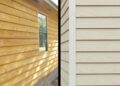
Wood siding is renowned for its timeless visual appeal and natural aesthetic. The organic warmth and texture of wood can add a touch of elegance and charm to any building, creating a welcoming and inviting atmosphere. The natural grains and patterns of wood can vary, giving each piece a unique and distinctive look that cannot be replicated by synthetic materials.Visual Appeal of Wood Siding
Wood siding offers a wide range of design options that can cater to various architectural styles and preferences. From traditional to modern, wood siding can be customized to suit different aesthetics and design needs. Whether you prefer a rustic cabin look or a sleek contemporary finish, wood siding can be stained, painted, or left to weather naturally to achieve the desired look.- Wood siding can be installed vertically, horizontally, or diagonally, allowing for creative patterns and designs.
- Various wood species, such as cedar, pine, or redwood, offer different colors and textures to choose from.
- Shutters, trim, and accents can be easily incorporated with wood siding to enhance the overall design.
Customizing wood siding materials through different finishes and treatments can further promote eco-friendly design choices, ensuring a harmonious blend of sustainability and aesthetics.
Ending Remarks
In conclusion, the debate between wood siding and vinyl siding in terms of environmental impact is multifaceted and requires careful consideration of various factors. From sustainability to aesthetics, each type of siding has its own unique advantages and disadvantages. Ultimately, the choice between wood siding and vinyl siding boils down to individual preferences and priorities regarding eco-friendliness.
Questions and Answers
What is the difference in carbon footprint between wood siding and vinyl siding?
Wood siding generally has a lower carbon footprint compared to vinyl siding due to the energy-intensive production process of vinyl.
Are wood siding materials more recyclable than vinyl siding materials?
Yes, wood siding materials are more easily recyclable and biodegradable compared to vinyl siding materials.
How do maintenance requirements differ for wood siding and vinyl siding?
Wood siding typically requires more maintenance in terms of staining and painting compared to vinyl siding, which is relatively low maintenance.
What are the sustainability factors associated with wood siding materials?
Wood siding is renewable, biodegradable, and has a longer lifespan compared to vinyl siding, making it a more sustainable choice.
Is deforestation a significant concern in the production of wood siding?
Deforestation can be a concern depending on the sourcing practices of the wood used for siding, but sustainable forestry practices can mitigate this impact.