Delve into the comparison of Wood Siding vs Vinyl Siding: Which Offers the Best Return on Investment? This topic promises to unveil intriguing insights and comparisons that will captivate your attention from the get-go.
Explore the key differences, advantages, disadvantages, and more in the paragraphs to follow.
Comparing Wood Siding and Vinyl Siding
Wood siding and vinyl siding are two popular options for homeowners looking to enhance the exterior of their homes. Let's explore the key differences between these two materials and their respective advantages and disadvantages.Material Composition and Appearance
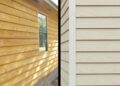
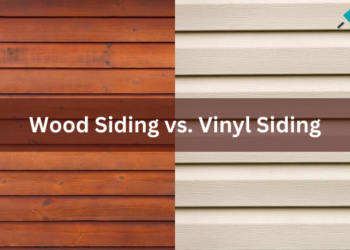
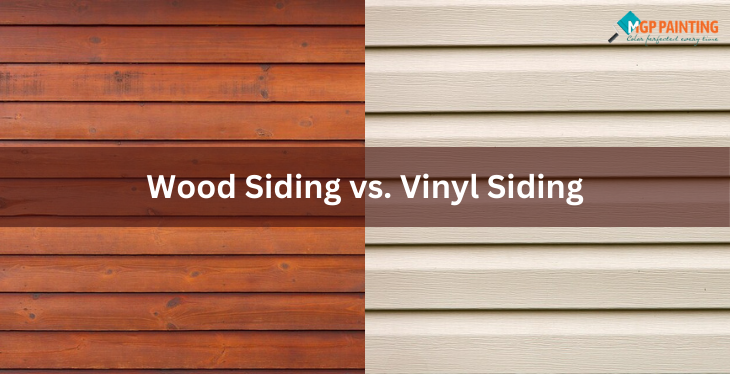
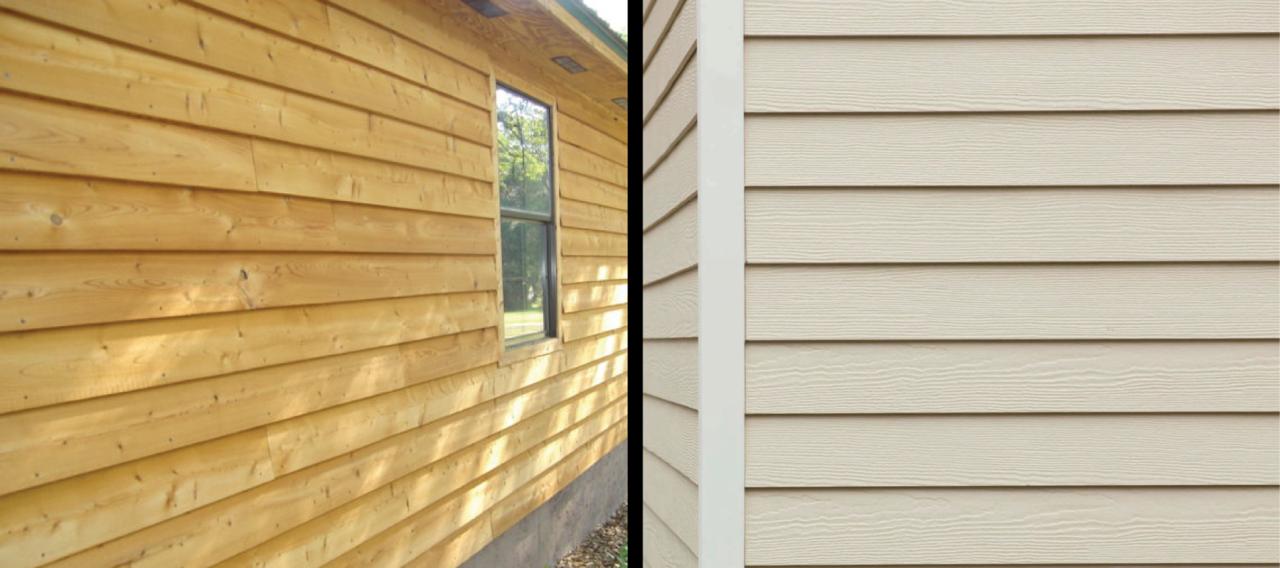
Wood siding is made from natural wood, giving it a classic and timeless look. It can be stained or painted in various colors to match the aesthetic of the home. On the other hand, vinyl siding is typically made from PVC (polyvinyl chloride) resin and comes in a wide range of colors and textures, including options that mimic wood grain.Advantages and Disadvantages
Wood siding offers a natural and warm appearance that many homeowners love. It is also biodegradable and can be easily repaired or replaced. However, wood siding requires more maintenance, such as regular painting, staining, and sealing to protect it from the elements and prevent rot or insect damage.Vinyl siding, on the other hand, is known for its low maintenance requirements. It does not need to be painted or stained, only requiring occasional cleaning with soap and water. Vinyl siding is also more budget-friendly than wood siding. However, it may not offer the same level of charm and authenticity as wood siding, and it can crack or fade over time.Durability and Maintenance
Wood siding is susceptible to rot, mold, and insect infestations if not properly maintained. Regular inspections and treatments are necessary to ensure the longevity of wood siding. In contrast, vinyl siding is resistant to moisture, pests, and rot, making it a durable option that can last for many years with minimal upkeep.Overall, the choice between wood siding and vinyl siding depends on individual preferences, budget constraints, and maintenance capabilities. Each material has its own unique characteristics and appeal, so homeowners should carefully consider their priorities and needs before making a decision.Cost Considerations
When considering wood siding versus vinyl siding, cost is a significant factor that can impact your decision. Let's break down the initial costs, long-term implications, and potential cost-saving benefits associated with each type of siding.Initial Costs
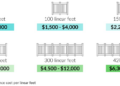
When it comes to the initial cost of installation, vinyl siding tends to be more affordable than wood siding. Vinyl siding is generally cheaper per square foot and requires less labor for installation compared to wood siding. This can make vinyl siding a more budget-friendly option for homeowners looking to save on upfront expenses.Long-Term Costs
While vinyl siding may have lower initial costs, it is essential to consider the long-term expenses associated with maintenance and replacement. Vinyl siding is known for its durability and low maintenance requirements, which can help reduce long-term costs. On the other hand, wood siding may require more frequent maintenance, such as painting or staining, to maintain its appearance and protect it from the elements. Over time, these maintenance tasks can add up, potentially increasing the overall cost of wood siding compared to vinyl siding.Cost-Saving Benefits
One cost-saving benefit of choosing wood siding over vinyl siding is its potential to increase the resale value of your home. Wood siding is often perceived as a higher-end, more aesthetically pleasing option compared to vinyl siding, which can attract potential buyers and result in a higher resale value for your property. Additionally, wood siding can be repaired more easily than vinyl siding in case of damage, potentially saving you money on replacement costs in the long run.Overall, while vinyl siding may offer lower initial costs and maintenance requirements, wood siding can provide cost-saving benefits in terms of resale value and repairability. Consider your budget and long-term goals when deciding between wood siding and vinyl siding for your home.Environmental Impact
 Wood siding and vinyl siding have distinct environmental impacts that should be considered when choosing between the two options for your home
Manufacturing Process
Wood siding is generally considered more environmentally friendly compared to vinyl siding in terms of the manufacturing process. Wood is a renewable resource, and when sourced from sustainably managed forests, it can have a lower carbon footprint. On the other hand, vinyl siding is made from PVC, a type of plastic that requires fossil fuels for production and has been linked to environmental concerns such as pollution and greenhouse gas emissions.Installation and Maintenance
When it comes to installation and maintenance, both wood siding and vinyl siding have their environmental considerations. Wood siding typically requires more maintenance over time, including painting or sealing to protect it from the elements. This can lead to more frequent use of chemicals and resources. In contrast, vinyl siding requires less maintenance and can have a longer lifespan, reducing the need for frequent replacements that contribute to waste.Eco-Friendly Practices
In recent years, there have been advancements in eco-friendly practices for both wood siding and vinyl siding production. Some manufacturers of wood siding have started using sustainable harvesting practices and environmentally friendly treatments to minimize the impact on forests. Similarly, some vinyl siding manufacturers have developed recycling programs to reduce waste and promote the reuse of materials. These practices can help mitigate the environmental impact of both siding options.Aesthetics and Curb Appeal
Wood siding and vinyl siding both offer unique aesthetic qualities that can greatly enhance the curb appeal of a property. Let's explore how each type of siding contributes to the overall look and feel of different architectural styles.Aesthetic Appeal of Wood Siding
Wood siding exudes a timeless and classic charm that is highly sought after in traditional and rustic architectural styles. The natural grain and texture of wood can add warmth and character to a home, creating a cozy and inviting atmosphere. With various wood species available, homeowners can choose the perfect option to complement their design preferences.Aesthetic Appeal of Vinyl Siding
Vinyl siding, on the other hand, offers a wide range of color options and finishes that can suit modern, contemporary, or even traditional architectural styles. The versatility of vinyl allows for customization to achieve a sleek and polished look. Additionally, vinyl siding is low-maintenance and retains its color well over time, ensuring a vibrant appearance for years to come.Customization Options
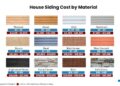
When it comes to customization, wood siding can be stained or painted in a variety of colors to match the homeowner's desired aesthetic. This flexibility allows for creativity and personalization in achieving a unique look. On the other hand, vinyl siding comes in a plethora of colors and styles, including options that mimic the appearance of wood grain or other materials. Homeowners can easily find a vinyl siding option that aligns with their design vision.Enhancing Curb Appeal
Both wood siding and vinyl siding can significantly enhance the curb appeal of a property. Wood siding's natural beauty and texture can create a warm and welcoming exterior that stands out in a neighborhood. On the other hand, vinyl siding's clean lines and vibrant colors can give a home a fresh and modern look that appeals to a wide range of tastes. Ultimately, the choice between wood siding and vinyl siding comes down to personal preference and the architectural style of the property.Final Review
Concluding our discussion on Wood Siding vs Vinyl Siding: Which Offers the Best Return on Investment?, this summary encapsulates the essence of our exploration, leaving you with a deeper understanding of the topic.
FAQ Corner
What are the maintenance requirements for wood siding compared to vinyl siding?
Wood siding typically requires more maintenance such as painting or staining compared to vinyl siding, which is relatively low maintenance.
Is wood siding more environmentally friendly than vinyl siding?
Wood siding is generally considered more environmentally friendly as it is a natural material, whereas vinyl siding is a type of plastic.
Which type of siding offers better customization options?
Vinyl siding often offers more versatility in terms of colors and styles, providing extensive customization options compared to wood siding.