Exploring the world of siding options for optimal energy efficiency and insulation, this introduction sets the stage for an in-depth look at how different materials and factors can impact the overall efficiency of a home.
From discussing the various types of siding materials to highlighting the benefits of insulated siding, this guide aims to equip readers with valuable insights to make informed decisions for their homes.
Types of siding materials for energy efficiency
When it comes to choosing siding materials for your home, it's important to consider their energy efficiency properties. Here are some types of siding materials known for their energy efficiency:
Vinyl Siding
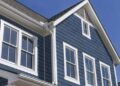
Vinyl siding is a popular choice for homeowners looking to improve energy efficiency. It is known for its insulation properties, helping to keep your home cooler in the summer and warmer in the winter. The material itself acts as a barrier against heat loss, reducing the need for excessive heating or cooling.
Wood Siding
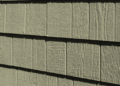
Wood siding is another option that provides good insulation for a home. It has natural insulating properties that can help regulate the temperature inside your house. However, it may require more maintenance compared to other siding materials.
Fiber Cement Siding
Fiber cement siding is a durable and energy-efficient option for homeowners. It is resistant to pests, rot, and fire, making it a long-lasting choice. The material also provides good insulation, helping to lower energy bills by reducing the need for constant heating or cooling.
Insulated Siding
Insulated siding is specifically designed to enhance the energy efficiency of a home. It features a layer of foam insulation underneath the outer layer, providing additional thermal protection. This type of siding helps reduce energy loss and maintain a comfortable indoor temperature throughout the year.
Factors influencing energy efficiency in siding
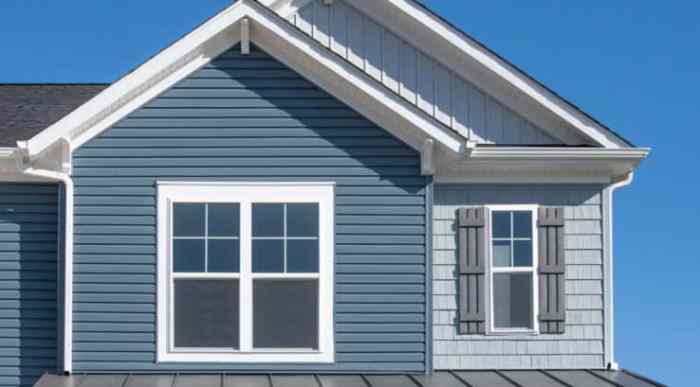
When it comes to the energy efficiency of siding, several factors play a crucial role in determining how well a material can insulate a home and reduce energy costs. Factors such as thickness, color, and installation can significantly impact the overall energy performance of siding products.
It is essential to consider these factors when choosing the right siding material for optimal energy savings.
Thickness of the Siding
The thickness of the siding material directly affects its insulating properties. Thicker siding typically provides better insulation and helps regulate indoor temperatures more effectively. Look for siding products with a high R-value, as this indicates better thermal resistance and improved energy efficiency.
Color of the Siding
The color of the siding can also impact energy efficiency. Dark-colored siding absorbs more heat from the sun, which can increase the temperature inside the home during hot weather. On the other hand, light-colored siding reflects more sunlight and helps keep the interior cooler.
Consider the local climate and the orientation of your home when selecting the color of your siding for optimal energy savings.
Installation of the Siding
Proper installation is key to maximizing the energy efficiency of siding. Poorly installed siding can create gaps or air leaks, reducing the overall insulation effectiveness of the material. Make sure to hire a professional contractor who follows best practices for siding installation to ensure a tight seal and maximum energy efficiency.
Key Features to Look for in Siding Products
- High R-value for better insulation
- Low maintenance requirements to sustain long-term energy efficiency
- Resistance to moisture and mold growth to maintain insulation properties
- Compatibility with energy-efficient insulation materials for added thermal performance
Impact of House Orientation and Local Climate
The orientation of your house and the local climate can influence the choice of siding for energy efficiency. Homes in colder climates may benefit from siding materials with higher insulating properties, while houses in warmer regions may require siding that can reflect heat to keep the interior cool
Consider these factors when selecting siding to ensure optimal energy savings based on your specific location and home orientation.
Benefits of insulated siding
Insulated siding offers a range of benefits that contribute to energy efficiency, cost savings, and longevity for your home.
Reduced Energy Consumption
- Insulated siding helps to create a thermal barrier, reducing heat transfer in and out of your home.
- This can lead to lower energy consumption as your HVAC system doesn't have to work as hard to maintain a comfortable temperature.
Lower Heating/Cooling Costs
- By improving the insulation of your home, insulated siding can result in significant savings on heating and cooling bills.
- Less energy is needed to keep your home at a consistent temperature, leading to reduced monthly expenses.
Durability and Longevity
- Insulated siding is designed to be more durable and resistant to various weather conditions compared to traditional siding options.
- It can withstand impact better, reducing the need for frequent repairs or replacements.
- With proper maintenance, insulated siding can last longer, providing a long-term investment in your home's energy efficiency and aesthetics.
Installation techniques for maximizing energy efficiency
Proper installation of siding plays a crucial role in maximizing energy efficiency in a building. By following best practices and ensuring airtightness, insulation, and ventilation, homeowners can significantly improve the overall thermal performance of their homes.
Importance of Proper Sealing, Insulation, and Ventilation
- Sealing: Ensuring that all gaps, cracks, and joints are properly sealed with caulk or foam insulation can prevent air leakage, reducing energy loss.
- Insulation: Adding insulation materials, such as foam boards or house wraps, underneath the siding can enhance the thermal resistance of the walls, improving energy efficiency.
- Ventilation: Proper ventilation helps regulate indoor humidity levels and prevents moisture buildup, which can lead to mold growth and reduced insulation effectiveness.
Tips for Minimizing Thermal Bridging and Air Leakage
- Use insulated siding: Opt for insulated siding materials that come with built-in insulation to minimize thermal bridging and improve overall energy efficiency.
- Install a vapor barrier: Adding a vapor barrier between the siding and the wall can help prevent moisture infiltration, enhancing the longevity and performance of the siding.
- Pay attention to details: Seal around windows, doors, and other openings carefully to prevent air leakage and ensure a tight building envelope.
Wrap-Up

Wrapping up our exploration of the best siding for energy efficiency and insulation, this guide has shed light on the key considerations and advantages of choosing the right siding for your home. Whether it's maximizing energy savings or enhancing insulation, the choice of siding plays a crucial role in creating a comfortable and efficient living space.
Helpful Answers
What are the key factors to consider when choosing siding for energy efficiency?
Factors such as material type, thickness, color, and proper installation all play a significant role in determining the energy efficiency of siding.
How does insulated siding help in reducing energy consumption?
Insulated siding provides an additional layer of insulation, reducing heat transfer and ultimately lowering energy consumption for heating and cooling.
Is orientation of the house important when selecting siding for energy efficiency?
Yes, the orientation of the house can impact the amount of sunlight and wind exposure, influencing the choice of siding material for optimal energy efficiency.