Exploring the nuances between Cladding and Siding in architecture, this article dives into the fundamental disparities between these two elements. Providing insight into their distinct functions and materials, this discussion aims to shed light on their significance in architectural design.
Further elaborating on the types of materials used, installation processes, and environmental impacts, this exploration delves deep into the realm of Cladding vs Siding, offering a comprehensive understanding of their roles in shaping architectural structures.
Cladding vs Siding Overview
Cladding and siding are both essential elements in architecture, serving to protect and enhance the exterior of buildings. While they may seem similar, there are distinct differences in their functionality and materials used.
Definitions and Differences
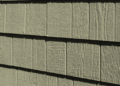
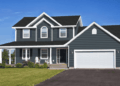
Cladding refers to the application of one material over another to provide a skin or layer for protection or aesthetics. It is a non-load-bearing layer often used to improve the appearance of a building's exterior. On the other hand, siding specifically refers to the outer covering or cladding of a house meant to shed water and protect from the effects of weather.
Functionality
- Cladding is primarily used for aesthetic purposes, providing a decorative finish to the building.
- Siding, on the other hand, is more focused on protection and insulation, shielding the structure from the elements.
Materials
- Common materials used for cladding include wood, metal, vinyl, and composite materials.
- For siding, materials like vinyl, wood, fiber cement, and aluminum are frequently utilized for their durability and weather-resistant properties.
Types of Cladding
When it comes to cladding materials in architecture, there are various options available that can significantly impact the appearance and functionality of a building. Different types of cladding offer unique characteristics that cater to specific design preferences and requirements.
Metal Cladding
Metal cladding, such as aluminum, steel, or copper, is a popular choice for modern buildings due to its sleek and contemporary appearance. Examples include the Guggenheim Museum in Bilbao, Spain, showcasing titanium cladding that reflects light beautifully. While metal cladding is durable and low-maintenance, it can be expensive and may require regular cleaning to maintain its aesthetic appeal.
Wooden Cladding
Wooden cladding adds warmth and natural charm to a structure, making it a popular choice for residential buildings and cabins. The Tamedia Office Building in Zurich, Switzerland, features wooden cladding that complements its surrounding environment. However, wooden cladding may require more maintenance to prevent rotting or warping over time.
Stone Cladding
Stone cladding, such as marble, granite, or limestone, provides a classic and elegant look to buildings. The Empire State Building in New York City is a prime example of stone cladding, showcasing its timeless appeal. While stone cladding is durable and fire-resistant, it can be heavy and expensive to install.
Composite Cladding
Composite cladding combines different materials, such as wood fibers and plastic, to create a versatile and cost-effective option. The Eden Project in the UK features composite cladding that offers both aesthetic appeal and sustainability. Although composite cladding is durable and requires minimal upkeep, it may not provide the same level of authenticity as natural materials.
Brick Cladding
Brick cladding is a traditional choice that adds texture and character to a building. The Louvre Museum in Paris, France, utilizes brick cladding to enhance its architectural design. While brick cladding is durable and offers thermal insulation, it may limit design flexibility and require skilled labor for installation.
Types of Siding
When it comes to siding options for buildings, there are several common materials used in construction. Each type of siding has its own aesthetic appeal and maintenance requirements, making it important to choose the right material for your specific needs.
Vinyl Siding
Vinyl siding is a popular choice for many homeowners due to its affordability and low maintenance requirements. It comes in a variety of colors and styles, allowing for customization to suit different architectural designs. However, vinyl siding can be prone to cracking and fading over time, requiring occasional replacement.
Wood Siding
Wood siding provides a natural and timeless look to a building, enhancing its overall aesthetic appeal. Common types of wood siding include cedar, pine, and redwood, each offering unique grain patterns and textures. While wood siding requires more maintenance in terms of painting or staining to prevent rotting or warping, it can be a sustainable and environmentally friendly option.
Fiber Cement Siding
Fiber cement siding is a durable and versatile option that mimics the look of wood or stucco without the high maintenance requirements. It is resistant to rot, fire, and pests, making it a long-lasting choice for many homeowners. Fiber cement siding is available in a wide range of colors and styles, providing flexibility in design options.
Brick Siding
Brick siding offers a classic and timeless appearance to a building, adding a sense of charm and elegance. It is known for its durability and low maintenance requirements, requiring occasional cleaning to maintain its aesthetic appeal. Brick siding can also provide excellent insulation properties, helping to regulate indoor temperatures.
Aluminum Siding
Aluminum siding is a lightweight and cost-effective option that is resistant to rust and corrosion
Installation Process
When it comes to the installation process for cladding and siding in architectural projects, there are specific steps and considerations that need to be taken into account.
Cladding Installation Process
- Prepare the surface: Ensure that the surface where the cladding will be installed is clean, dry, and free of any debris.
- Measure and cut the cladding: Take accurate measurements of the area to be clad and cut the cladding panels accordingly.
- Attach the cladding: Secure the cladding panels to the surface using the appropriate fasteners or adhesives.
- Finish the edges: Trim the edges of the cladding panels to ensure a clean and seamless finish.
Siding Installation Process
- Prepare the surface: Similar to cladding, the surface for siding installation needs to be clean, dry, and free of any obstructions.
- Install the underlayment: Depending on the type of siding, an underlayment may need to be installed to provide additional protection.
- Place the siding: Begin by placing the siding panels at the bottom of the wall and work your way up, ensuring proper alignment and spacing.
- Secure the siding: Use nails or other fasteners to secure the siding to the wall, following the manufacturer's guidelines.
Considerations and Challenges
- Cladding may require more precision and attention to detail during installation, as any misalignment or gaps can be more noticeable.
- Siding installation may involve more steps and materials, depending on the type of siding chosen.
- Weather conditions can impact the installation process for both cladding and siding, so it's important to take this into consideration.
Environmental Impact
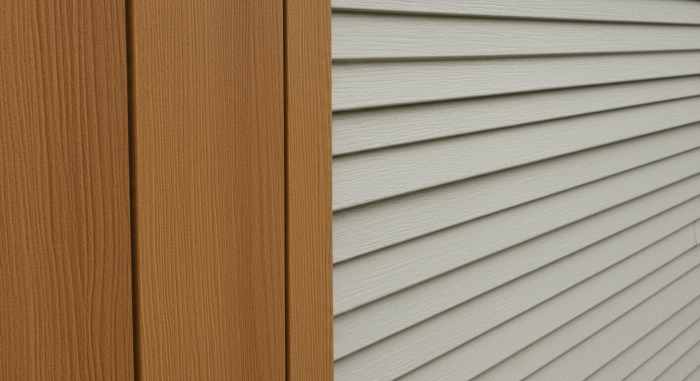
When it comes to the environmental impact of cladding and siding materials, sustainability plays a crucial role. The choices made in terms of materials can have significant implications on a building's overall eco-friendliness and energy efficiency.
Sustainability Aspects of Cladding Materials
Cladding materials vary in their sustainability depending on factors such as sourcing, production processes, and recyclability. Some common sustainable cladding options include:
- Wood: With proper sourcing from certified forests, wood can be a sustainable cladding material. It is biodegradable and has a lower carbon footprint compared to other materials.
- Recycled Metal: Using recycled metal for cladding can reduce the environmental impact by decreasing the need for new raw materials and energy-intensive production processes.
- Fiber Cement: Made from a mix of wood pulp, cement, and sand, fiber cement is durable, low-maintenance, and has a long lifespan, contributing to sustainability.
Eco-friendliness of Different Siding Options
Similarly, siding choices can impact the environment in various ways. Some eco-friendly siding options to consider include:
- Vinyl: While not biodegradable, vinyl siding is recyclable and has a longer lifespan, reducing the need for frequent replacements and the associated waste.
- Brick: Brick siding is durable, energy-efficient, and can be sourced locally, reducing transportation emissions and supporting the local economy.
- Stucco: Made from natural materials like cement, sand, and lime, stucco is a sustainable siding option with a long lifespan and minimal maintenance requirements.
Impact on Building's Overall Energy Efficiency
The choice of cladding and siding materials can significantly impact a building's overall energy efficiency. Factors such as insulation properties, reflectivity, and thermal mass of the materials play a crucial role in regulating the building's temperature and reducing energy consumption for heating and cooling.
Conclusion
In conclusion, the dynamic interplay between Cladding and Siding unveils a rich tapestry of choices for architects and designers. By weighing the pros and cons of each option, one can make informed decisions that not only enhance the visual appeal of a building but also contribute to its sustainability and energy efficiency.
Expert Answers
What are the primary differences between cladding and siding?
Cladding is primarily used as a protective layer for a building, while siding is more focused on aesthetics and weatherproofing.
What are some common materials used for cladding?
Common materials for cladding include wood, metal, vinyl, and composite materials.
How do cladding choices impact a building's energy efficiency?
Cladding materials with good insulation properties can improve a building's energy efficiency by reducing heat loss or gain.