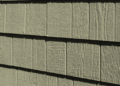
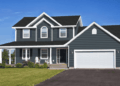
Exploring the differences between wood, metal, and composite siding unveils a world of unique characteristics and benefits. From durability to design options, each type offers distinct advantages that cater to different needs and preferences. Let's delve into the realm of siding materials to understand which one might be the perfect fit for your project.
Wood Siding
Wood siding is a popular choice for homeowners due to its natural beauty and timeless appeal. It provides a warm and inviting look to any home, enhancing its overall aesthetic.
Characteristics of Wood Siding
- Natural appearance: Wood siding offers a rustic and authentic look that complements various architectural styles.
- Versatility: It can be painted or stained in different colors to suit personal preferences.
- Insulation: Wood provides natural insulation, helping to regulate indoor temperatures and reduce energy costs.
Durability Comparison
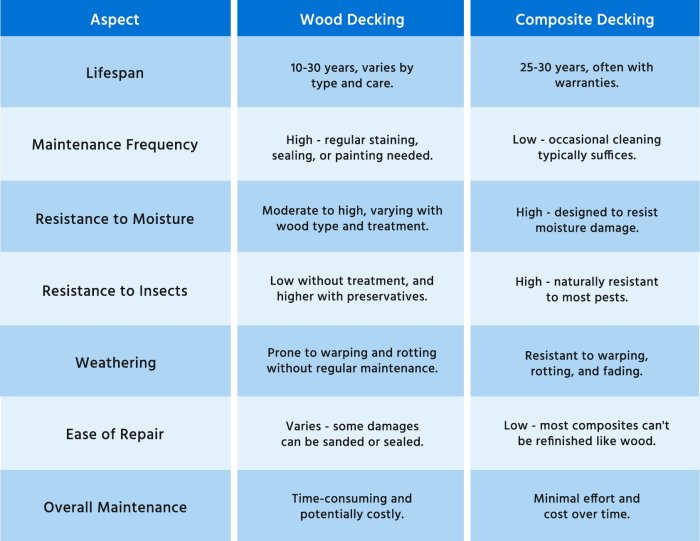
Wood siding is durable but requires regular maintenance to prevent issues like rot, mold, and insect infestations. When properly cared for, wood siding can last for decades. In comparison, metal siding is highly durable and low maintenance, while composite siding offers the best of both worlds in terms of durability and maintenance.
Types of Wood Used for Siding
- Cedar: Known for its natural resistance to decay and insects, cedar is a popular choice for wood siding.
- Pine: Affordable and readily available, pine siding can be treated to enhance its durability.
- Redwood: With its rich color and natural resistance to decay, redwood siding is a premium option for homeowners.
Maintenance Requirements
- Regular cleaning: Wood siding should be cleaned annually to remove dirt, mildew, and debris.
- Sealing and staining: Applying a protective sealant and stain every few years helps maintain the wood's integrity and appearance.
- Inspections: Periodic inspections for signs of damage or wear are crucial to address issues before they escalate.
Metal Siding
Metal siding is a popular choice for many buildings due to its durability, low maintenance requirements, and modern aesthetic appeal. It is made from aluminum, steel, or other metals, offering various benefits for both residential and commercial properties.
Benefits of Metal Siding
Metal siding is known for its longevity, as it can withstand harsh weather conditions, such as strong winds, heavy rain, and snow. It is also resistant to fire, rot, and pests, making it a durable option for exterior cladding. Additionally, metal siding is recyclable, making it an environmentally friendly choice.
Cost-Effectiveness
While metal siding may have a higher initial cost compared to wood or composite siding, its long-term durability and low maintenance needs can make it a cost-effective option over time. With minimal upkeep required, metal siding can save money on repairs and replacements in the future.
Installation Process
The installation process for metal siding involves measuring and cutting the panels to fit the exterior of the building
Environmental Impact
Metal siding is a sustainable choice for environmentally conscious consumers, as it is often made from recycled materials and can be recycled at the end of its lifespan. Additionally, metal siding reflects sunlight, reducing heat absorption and energy costs for cooling the building.
Overall, metal siding offers a green alternative for those looking to reduce their carbon footprint.
Composite Siding
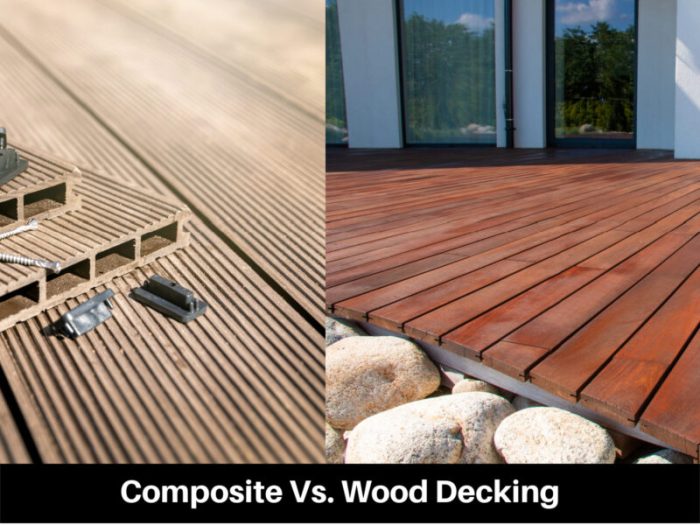
Composite siding is a popular choice for homeowners looking for a durable and low-maintenance option. It is made up of a combination of materials, typically including wood fibers, plastic, and other additives.
Components of Composite Siding
- Wood fibers
- Plastic
- Other additives
Lifespan Comparison
Composite siding generally has a longer lifespan compared to wood siding, as it is more resistant to rot, insects, and moisture. It also tends to outlast metal siding, which can be prone to rust and corrosion over time.
Design Options
There is a wide range of design options available for composite siding, including different textures, colors, and styles. This allows homeowners to achieve the look they desire while still benefiting from the durability of composite materials.
Maintenance and Upkeep
- Regular cleaning with soap and water
- Inspecting for any damage or signs of wear
- Repainting or resealing as needed
Final Wrap-Up
In conclusion, the comparison of wood, metal, and composite siding showcases the variety of choices available in the market. Whether you prioritize longevity, aesthetics, or environmental impact, there is a siding material that aligns with your requirements. By weighing the pros and cons of each type, you can make an informed decision that enhances the appearance and functionality of your building.
General Inquiries
Is wood siding more durable than metal and composite siding?
Wood siding is known for its natural beauty but requires more maintenance compared to metal and composite siding. While it can last for decades with proper care, metal and composite siding tend to be more durable in the long run.
What are the environmental impacts of using metal siding?
Metal siding is highly recyclable and can be a sustainable choice for environmentally-conscious individuals. However, the production process of metal siding may have a higher initial environmental footprint compared to wood or composite siding.
Which type of siding offers the most cost-effective solution?
Composite siding is often considered the most cost-effective option due to its durability and low maintenance requirements. While wood siding can be affordable initially, the long-term costs of upkeep may surpass those of metal and composite siding.