Exploring the world of fire-resistant siding materials for homes in dry zones opens up a realm of possibilities. From understanding the different types to learning about installation and maintenance, this guide delves into every aspect you need to know. Get ready for a journey filled with insights and practical tips to protect your home in fire-prone areas.
As you continue reading, you'll uncover the key features, design options, and environmental impact of these materials, providing you with a well-rounded view of how to safeguard your home while maintaining its aesthetic appeal.
Types of Fire-Resistant Siding Materials
When it comes to choosing fire-resistant siding materials for homes in dry zones, there are several options available in the market. These materials are designed to provide an added layer of protection against fire hazards, making them an essential choice for homeowners in areas prone to wildfires.
1. Fiber Cement Siding
Fiber cement siding is a popular choice for its durability and fire-resistant properties. Made from a mixture of cement, sand, and cellulose fibers, this type of siding is non-combustible and can withstand high temperatures. It is also resistant to rot, pests, and moisture, making it a low-maintenance option for homeowners.
2. Metal Siding
Metal siding, such as steel or aluminum, is another fire-resistant option for homes. Metal siding is highly durable and can effectively resist flames and heat. It is also resistant to rot, mold, and pests, making it a long-lasting choice for homeowners looking for a low-maintenance siding option.
3. Stucco Siding
Stucco siding is a traditional choice that offers fire-resistant properties. Made from a mixture of cement, sand, and lime, stucco is a non-combustible material that can help protect homes from fire damage. It is also energy-efficient and provides a high level of insulation, helping homeowners save on energy costs.
4. Brick Siding
Brick siding is another fire-resistant option that has been used for centuries. Bricks are non-combustible and can withstand high temperatures, making them an excellent choice for homes in dry zones. Brick siding is also durable and requires minimal maintenance, making it a cost-effective option in the long run.Overall, each type of fire-resistant siding material offers unique benefits and features that cater to different homeowner preferences and budgets.
It is essential to consider factors such as durability, maintenance requirements, and cost-effectiveness when choosing the right siding material for your home in a dry zone.
Installation and Maintenance
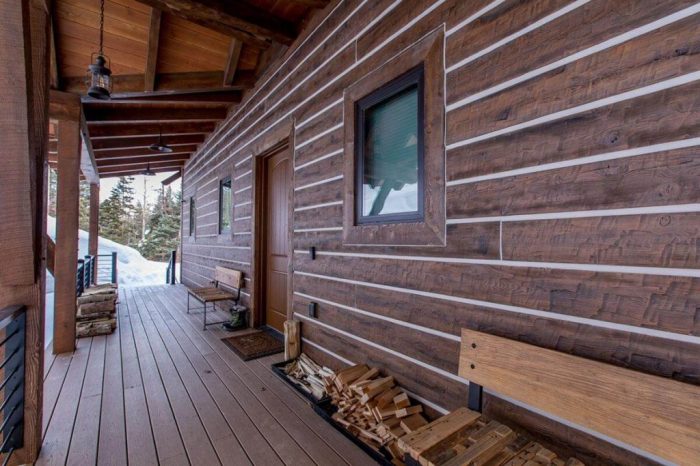
Installing fire-resistant siding materials on a home in a dry zone is crucial for protecting the property from potential fire hazards. Proper installation and regular maintenance can ensure the longevity and effectiveness of the siding. Here is a step-by-step guide on how to install and maintain fire-resistant siding:
Proper Installation of Fire-Resistant Siding
- Start by preparing the surface of the home by cleaning it thoroughly and removing any existing siding.
- Measure and cut the fire-resistant siding materials according to the dimensions of the walls, ensuring a precise fit.
- Secure the siding in place using appropriate fasteners, making sure to follow the manufacturer's guidelines for installation.
- Seal any gaps or joints in the siding to prevent moisture infiltration and enhance the fire-resistant properties.
- Regularly inspect the siding for any signs of damage or wear, and address any issues promptly to maintain its effectiveness.
Recommended Maintenance Practices
- Regularly clean the fire-resistant siding using a mild detergent and water to remove dirt, debris, and any potential fire fuel.
- Inspect the siding for signs of mold, mildew, or rot, and address these issues promptly to prevent further damage.
- Apply a fresh coat of fire-resistant paint or sealant as needed to enhance the siding's fire-retardant properties and protect it from the elements.
- Trim any vegetation or trees near the siding to reduce the risk of fire spreading to the home.
Inspecting and Repairing Fire-Resistant Siding
- Regularly inspect the fire-resistant siding for any cracks, gaps, or damage that may compromise its fire-retardant properties.
- Repair any damaged areas using appropriate materials and techniques recommended by the manufacturer to ensure the siding remains effective.
- Consider hiring a professional inspector to assess the condition of the siding and recommend any necessary repairs or maintenance.
Design and Aesthetics
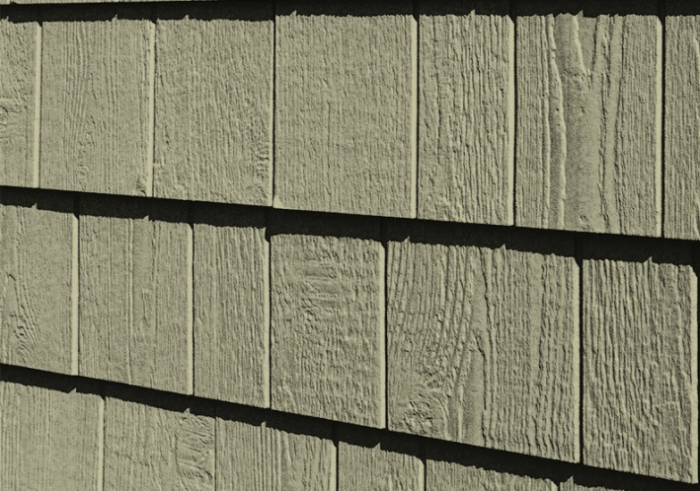
When it comes to fire-resistant siding materials, design and aesthetics play a crucial role in enhancing the overall look and curb appeal of a home. Choosing the right color, texture, and finish can make a significant difference in the visual appeal of the property while also providing added safety against fire hazards.
Design Options and Finishes
- There are various design options and finishes available for fire-resistant siding materials, ranging from traditional wood-like finishes to more modern and sleek designs.
- Popular finishes include cedar, stone, brick, and stucco textures, which can mimic the look of natural materials while offering fire-resistant properties.
- Consider experimenting with different colors and finishes to find the perfect match for your home's exterior, creating a cohesive and visually appealing look.
Incorporating Fire-Resistant Siding into Architectural Styles
- Fire-resistant siding materials can be seamlessly incorporated into various architectural styles, including modern, traditional, and contemporary designs.
- For a modern look, consider sleek and minimalist finishes, while traditional homes can benefit from textured siding that resembles classic materials like wood or stone.
- Consult with a design professional to ensure that the fire-resistant siding complements the overall architectural style of your home while maintaining aesthetic appeal.
Choosing the Right Color and Texture
- When selecting fire-resistant siding, choose colors that harmonize with the existing color palette of your home to create a unified look.
- Opt for textures that add depth and visual interest to the exterior while still offering the necessary fire protection.
- Consider the surrounding environment and landscaping when choosing the color and texture of your fire-resistant siding to ensure a cohesive and attractive appearance.
Environmental Impact and Sustainability
When considering fire-resistant siding materials for homes in dry zones, it is crucial to evaluate their environmental impact and sustainability. This involves looking at how eco-friendly the materials are and their overall effect on the environment.
Eco-friendliness of Fire-Resistant Siding Materials
- Some fire-resistant siding materials, such as fiber cement and metal, are considered more eco-friendly than others due to their durability and longevity.
- Wood-based siding materials, while offering natural aesthetics, may raise concerns about deforestation and chemical treatments.
- It is essential to choose siding materials that are sourced responsibly and have minimal impact on the environment during production and installation.
Sustainability of Fire-Resistant Siding Options
- Fire-resistant siding materials like fiber cement, metal, and stone have high recyclability rates, making them sustainable choices for environmentally conscious homeowners.
- These materials are also known for their energy efficiency, contributing to reduced energy consumption in homes over time.
- Opting for fire-resistant siding options that are long-lasting and require minimal maintenance can further enhance their sustainability.
Certifications and Standards for Environmental Friendliness
- Look for certifications like Forest Stewardship Council (FSC) for wood-based siding materials to ensure they come from responsibly managed forests.
- LEED (Leadership in Energy and Environmental Design) certification can indicate the overall environmental performance of a building, including the materials used for siding.
- Materials with low volatile organic compound (VOC) emissions contribute to better indoor air quality and are considered more environmentally friendly.
Wrap-Up
In conclusion, fire-resistant siding materials offer a blend of safety, durability, and style for homes in dry zones. By choosing the right material, following proper installation and maintenance practices, and considering the environmental impact, you can ensure your home is not only protected but also visually appealing.
Dive into the world of fire-resistant siding and make informed decisions to safeguard your home.
FAQ Summary
Are fire-resistant siding materials expensive?
While initial costs may be higher than traditional siding materials, the long-term benefits, such as increased safety and durability, often outweigh the higher upfront investment.
Can fire-resistant siding be painted?
Yes, many fire-resistant siding materials can be painted to achieve the desired color and aesthetic for your home.
Do fire-resistant siding materials require special maintenance?
Regular inspections and cleaning are recommended to ensure the effectiveness of fire-resistant siding. However, they generally require less maintenance compared to non-fire-resistant materials.