Insulated vinyl siding benefits for modern buildings sets the stage for this enthralling narrative, offering readers a glimpse into a story that is rich in detail with a focus on energy efficiency, durability, design, aesthetics, and environmental impact.
As we delve into the world of insulated vinyl siding, we uncover a plethora of advantages that go beyond the surface, making it a top choice for contemporary structures seeking both style and substance.
Insulated Vinyl Siding Overview
Insulated vinyl siding is a type of exterior cladding material that provides both insulation and protection for buildings. It is made from polyvinyl chloride (PVC) resin and contains a layer of foam insulation on the back side.This type of siding differs from traditional siding materials like wood, aluminum, or fiber cement because of its added insulation properties.
The foam backing helps improve the energy efficiency of buildings by reducing heat loss in the winter and heat gain in the summer. This can lead to lower energy bills and a more comfortable indoor environment.
Benefits of Insulated Vinyl Siding
- Energy Efficiency: The insulation in insulated vinyl siding helps reduce energy consumption by maintaining a consistent indoor temperature, resulting in lower heating and cooling costs.
- Durability: Vinyl siding is resistant to rot, decay, and pests, making it a long-lasting option for modern buildings.
- Low Maintenance: Unlike traditional materials that require frequent painting or sealing, insulated vinyl siding is easy to clean and maintain.
- Cost-Effective: The initial cost of insulated vinyl siding installation is often lower than other siding options, and the long-term savings on energy bills make it a cost-effective choice.
- Versatility: Insulated vinyl siding comes in a variety of colors and styles, allowing for customization to suit different architectural designs and preferences.
Energy Efficiency
Insulated vinyl siding plays a crucial role in improving energy efficiency in modern buildings. By providing an additional layer of insulation, this type of siding helps in reducing heat loss during colder months and heat gain during warmer months.
Reduced Heating and Cooling Costs
- Insulated vinyl siding helps in maintaining a more consistent indoor temperature, reducing the need for excessive heating or cooling.
- By minimizing energy loss through walls, insulated vinyl siding can lead to lower energy consumption and subsequently, reduced heating and cooling costs.
- Studies have shown that buildings with insulated vinyl siding can experience up to 20% savings on energy bills compared to traditional siding materials.
Impact on Overall Building Sustainability
- Energy-efficient siding like insulated vinyl can contribute to the overall sustainability of a building by reducing its carbon footprint.
- Lower energy consumption means reduced greenhouse gas emissions, which is beneficial for the environment.
- Buildings with insulated vinyl siding are often more comfortable to live or work in, as they maintain a steady indoor temperature throughout the year.
Durability and Maintenance

Insulated vinyl siding is known for its exceptional durability compared to other siding materials. It is resistant to harsh weather conditions, including extreme heat, cold, and moisture, making it a long-lasting option for modern buildings.
Durability of Insulated Vinyl Siding
- Insulated vinyl siding is highly durable and can withstand impact from hail, debris, and other external elements.
- It does not rot, warp, or corrode like wood or metal siding, ensuring a longer lifespan for the building exterior.
- The color of insulated vinyl siding is fade-resistant, maintaining its aesthetic appeal for years without the need for repainting.
Maintenance of Insulated Vinyl Siding
- Insulated vinyl siding requires minimal maintenance, primarily limited to occasional cleaning with a garden hose and mild detergent.
- Unlike wood siding that needs regular staining or painting, insulated vinyl siding retains its color and finish without the need for refinishing.
- The low maintenance requirements of insulated vinyl siding contribute to cost savings over time, as it eliminates the need for frequent repairs and upkeep.
Longevity in Different Weather Conditions
- Insulated vinyl siding is designed to withstand various weather conditions, from hot summers to cold winters, without deteriorating or losing its structural integrity.
- It does not absorb moisture, preventing issues like mold, mildew, and rot that are common with other siding materials in humid climates.
- The durability and weather-resistant properties of insulated vinyl siding make it a reliable choice for buildings located in diverse geographical regions with varying climate patterns.
Design and Aesthetics
When it comes to design and aesthetics, insulated vinyl siding offers a wide range of options to enhance the look of modern buildings. Its versatility allows for various architectural styles to be achieved effortlessly.
Design Options
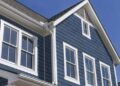
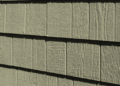
Insulated vinyl siding comes in a multitude of colors, textures, and profiles, providing endless design possibilities for modern buildings. Whether you prefer a traditional, contemporary, or even a rustic look, there is a design option to suit every taste and style.
Curb Appeal Enhancement
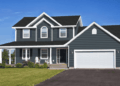
The clean and crisp appearance of insulated vinyl siding can greatly enhance the curb appeal of a structure. Its ability to maintain its color and finish over time ensures that the exterior of the building remains attractive and inviting, making a lasting impression on visitors and passersby.
Versatility in Achieving Architectural Styles
From sleek and modern to classic and timeless, insulated vinyl siding can adapt to various architectural styles with ease. Whether you're aiming for a minimalist design or a more intricate facade, insulated vinyl siding offers the flexibility to achieve the desired look while providing the benefits of energy efficiency and durability.
Environmental Impact

Insulated vinyl siding offers several eco-friendly benefits that contribute to reducing the environmental impact of modern buildings.
Recyclability and Sustainability
Insulated vinyl siding is a sustainable option because it can be recycled at the end of its lifespan. This recyclability reduces the amount of waste sent to landfills and promotes a more circular economy.
Carbon Footprint Reduction
Insulated vinyl siding helps in reducing a building's carbon footprint by providing excellent insulation properties. The energy efficiency of insulated vinyl siding reduces the need for excessive heating or cooling, leading to lower energy consumption and greenhouse gas emissions.
Final Thoughts
In conclusion, the benefits of insulated vinyl siding for modern buildings are not just skin-deep. From enhanced energy efficiency to striking design options, this versatile material proves to be a game-changer in the realm of sustainable architecture. As we look to the future, insulated vinyl siding stands as a beacon of innovation and eco-conscious construction practices.
Clarifying Questions
Is insulated vinyl siding more durable than traditional siding materials?
Yes, insulated vinyl siding is known for its superior durability compared to other siding materials, providing long-lasting protection for modern buildings.
How does insulated vinyl siding contribute to energy efficiency in buildings?
Insulated vinyl siding helps in improving energy efficiency by reducing heat loss in winter and heat gain in summer, thus lowering heating and cooling costs.
Can insulated vinyl siding be recycled?
Yes, insulated vinyl siding is recyclable, making it an environmentally friendly option for modern construction projects.
What design options are available with insulated vinyl siding?
Insulated vinyl siding offers a wide range of design choices, from traditional styles to contemporary finishes, allowing for customization to suit different architectural aesthetics.