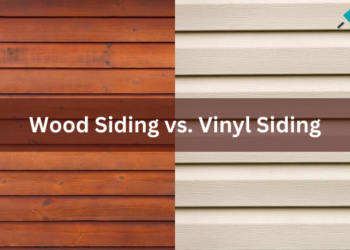
As The Longevity Factor: Why Wood Siding vs Vinyl Siding Matters for Resale takes center stage, this opening passage beckons readers with engaging insight into the impact of siding material on home value. From durability to design, this discussion delves into the key factors that can influence a property's resale potential, offering a fresh perspective on the importance of choosing between wood siding and vinyl siding.
Importance of Siding Material
When it comes to the resale value of a home, the siding material plays a crucial role in determining the overall appeal and longevity of the property. Potential buyers often consider the type of siding used on a house as a key factor in their decision-making process.
Durability and Longevity: Wood Siding vs Vinyl Siding
Wood siding is known for its natural beauty and timeless appeal, but it requires regular maintenance to prevent rot, warping, and insect damage. On the other hand, vinyl siding is low maintenance and durable, offering a longer lifespan with minimal upkeep.
- Wood siding may need to be repainted or stained every few years, adding to the maintenance costs over time.
- Vinyl siding is fade-resistant and doesn't require painting, making it a more cost-effective option in the long run.
- While wood siding can provide a classic look, some buyers prefer the modern aesthetic of vinyl siding.
Aesthetics and Design
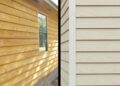
Wood siding is known for its natural beauty and timeless appeal, adding warmth and character to any home. The rich textures and earthy tones of wood can create a welcoming and inviting atmosphere, enhancing the overall curb appeal of a house.Visual Impact of Wood Siding
Wood siding offers a unique aesthetic that cannot be replicated by vinyl siding. Its natural grain patterns and variation in color create a sense of depth and dimension, giving a house a more authentic and rustic look. The organic feel of wood siding can help a home blend seamlessly with its natural surroundings, whether in a suburban neighborhood or a rural setting.Design Versatility of Wood Siding
One of the key advantages of wood siding is its versatility in design. Wood can be easily customized to fit various architectural styles, from traditional to modern. Whether you prefer a classic clapboard style, rustic cedar shakes, or contemporary board and batten, wood siding can be tailored to suit your design preferences. This flexibility allows homeowners to express their individuality and create a unique exterior that reflects their personal taste.Enhancing Architectural Character
Different styles of wood siding can greatly enhance the architectural character of a home. For example, cedar shakes can add a cozy cottage charm, while vertical board and batten siding can give a house a modern farmhouse appeal. By choosing the right wood siding style, homeowners can elevate the overall aesthetic of their home and make a lasting impression on potential buyers.Maintenance Requirements
Wood siding requires more maintenance compared to vinyl siding due to its natural material composition. Wood siding needs to be regularly inspected for signs of wear and tear, such as rot, mold, or insect damage, which can compromise its integrity over time. On the other hand, vinyl siding is low maintenance and only requires occasional cleaning with soap and water to maintain its appearance.Maintenance Needs of Wood Siding
Wood siding needs to be painted or stained every few years to protect it from the elements and prevent rot. Additionally, it should be inspected annually for any signs of damage or warping. Regular cleaning with a mild detergent and water can help preserve its appearance and extend its lifespan.Maintenance Costs
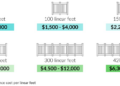
The costs associated with maintaining wood siding can be significantly higher than vinyl siding. Repainting or restaining wood siding can be expensive, especially if professional help is needed. In contrast, vinyl siding typically only requires occasional cleaning, which is a cost-effective and simple processTips for Caring for Wood Siding
- Regularly inspect wood siding for any signs of damage and address issues promptly to prevent further deterioration. - Clean wood siding annually with a mild detergent and water to remove dirt and debris. - Repaint or restain wood siding as needed to protect it from the elements and maintain its appearance. - Trim any nearby trees or bushes to prevent damage from branches rubbing against the siding.Environmental Impact
Wood siding and vinyl siding have distinct differences when it comes to their environmental impact. Let's delve into the eco-friendliness of these siding materials and how they can affect resale value.Eco-friendliness and Sustainability Factors
Wood siding is considered a more eco-friendly option compared to vinyl siding due to its biodegradability and renewable nature. Wood is a natural material that can be sustainably sourced from responsibly managed forests, making it a more environmentally conscious choice. On the other hand, vinyl siding is made from PVC, a synthetic material that is derived from non-renewable resources and can release harmful chemicals during production and disposal.When homeowners opt for wood siding over vinyl, they are contributing to the preservation of forests and reducing their carbon footprint. The sustainability of wood siding lies in its ability to be recycled or repurposed, adding to its longevity and minimizing waste. This focus on sustainability can resonate with potential buyers who prioritize environmentally friendly features in a home, ultimately increasing the resale value.Environmental Considerations in Resale Value
The environmental impact of siding material is becoming increasingly important in the real estate market. Homebuyers are more conscious of the ecological footprint of their properties and are willing to pay a premium for environmentally friendly features. Choosing wood siding can set a property apart by showcasing its commitment to sustainability, which can positively influence resale value.In conclusion, the choice between wood siding and vinyl siding goes beyond aesthetics and maintenance requirements – it also encompasses the environmental impact and sustainability factors that can enhance the overall value of a property in the resale market.Epilogue
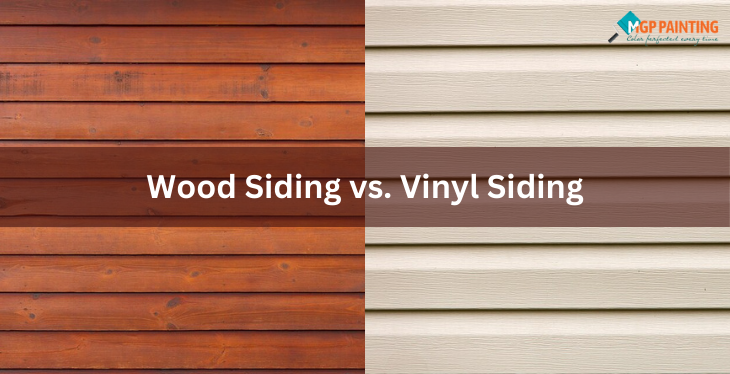
In conclusion, the significance of siding material in the real estate market cannot be understated. Whether it's the visual appeal, maintenance requirements, or environmental impact, the choice between wood siding and vinyl siding can greatly affect a home's allure and value. By understanding these factors, homeowners can make informed decisions that enhance their property's longevity and marketability.
Commonly Asked Questions
What are the main differences between wood siding and vinyl siding in terms of longevity?
Wood siding is known for its durability and classic appeal, while vinyl siding offers low maintenance and longevity with modern designs.
How does siding material impact curb appeal and buyer interest in a property?
The siding material can significantly enhance or detract from a home's curb appeal, influencing potential buyers' interest in the property and its resale value.
What are the eco-friendly aspects to consider when choosing between wood siding and vinyl siding?
Wood siding is often preferred for its sustainability and natural properties, making it a more environmentally friendly choice compared to vinyl siding.