The Modern Backyard: Vinyl Fencing vs Wood Fencing Aesthetic Choices sets the stage for this enthralling narrative, offering readers a glimpse into a story that is rich in detail with casual formal language style and brimming with originality from the outset.
The topic of vinyl fencing versus wood fencing in modern backyard aesthetics is a compelling exploration of two popular choices in the realm of outdoor design. Let's delve into the contrasting characteristics and considerations that come into play when deciding between these materials for your backyard fencing needs.
Introduction
In the modern backyard design, the outdoor space has evolved to become an extension of the home, serving as a place for relaxation, entertainment, and social gatherings. With a focus on creating a functional and aesthetically pleasing environment, every element in the backyard plays a crucial role in shaping its overall look and feel.Fencing is a key component in backyard aesthetics, providing both practical benefits such as privacy, security, and boundary definition, as well as contributing to the overall visual appeal of the outdoor space. The choice of fencing material can significantly impact the design and style of the backyard, making it essential to carefully consider options like vinyl and wood fencing to achieve the desired aesthetic outcome.Vinyl Fencing
Vinyl fencing is a popular choice for homeowners looking for a low-maintenance and aesthetically pleasing option for their backyard. It is made of PVC (polyvinyl chloride) material, which makes it highly durable and resistant to elements like moisture, rot, and pests.Durability of Vinyl Fencing vs Wood Fencing
- Vinyl fencing is known for its exceptional durability, as it does not warp, crack, or splinter like wood fencing.
- Unlike wood, vinyl fencing does not require regular staining, painting, or sealing to maintain its appearance.
- With proper installation and care, vinyl fencing can last for decades without the need for extensive repairs or replacements.
Maintenance Requirements of Vinyl Fencing
- One of the biggest advantages of vinyl fencing is its minimal maintenance requirements. Simply occasional rinsing with water and mild soap is usually enough to keep it looking pristine.
- Unlike wood fencing that may need regular upkeep such as staining or painting, vinyl fencing retains its color and finish for years without much effort.
- Due to its resistance to mold, mildew, and pests, vinyl fencing is a hassle-free option for homeowners who want a beautiful fence without the maintenance headaches.
Wood Fencing
Wood fencing offers a timeless and natural aesthetic appeal to any backyard, adding warmth and charm to the outdoor space.
Types of Wood for Fencing
There are several types of wood commonly used for fencing, each with its unique characteristics:
- Cedar: Known for its durability and resistance to decay, cedar is a popular choice for wood fencing.
- Pine: Pine is a cost-effective option for wood fencing, but it may require more maintenance to prevent rotting.
- Spruce: Spruce is another affordable option for wood fencing that can be stained or painted to match your backyard aesthetic.
- Redwood: Redwood offers a beautiful natural color and is resistant to insects and rot, making it a premium choice for wood fencing.
Environmental Impact
When choosing wood fencing, it's essential to consider the environmental impact. While wood is a renewable resource, the production of wood fencing can contribute to deforestation if not sourced sustainably. Opting for certified sustainable wood or reclaimed wood can help reduce the environmental impact of wood fencing.
Aesthetic Considerations
Vinyl and wood fencing each offer unique aesthetic qualities that can significantly impact the overall look of a modern backyard. Let's delve into how these two materials compare in terms of visual appeal and their compatibility with different landscaping styles.Visual Appeal
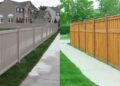
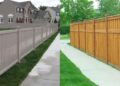
In a modern backyard setting, vinyl fencing tends to exude a sleek and contemporary vibe. Its smooth surface and uniform appearance create a clean and minimalist look that complements modern architectural designs. On the other hand, wood fencing brings a warm and natural feel to the outdoor space. The texture and grain patterns of wood add a touch of rustic charm and can enhance the organic atmosphere of a backyard.Landscaping Styles
When it comes to landscaping styles, vinyl fencing pairs well with minimalist and industrial themes. Its crisp lines and neutral colors blend seamlessly with modern elements like concrete pathways or metal fixturesColor Schemes
For vinyl fencing, popular color schemes include classic white, beige, gray, and tan tones. These neutral hues provide a clean backdrop that allows landscaping elements to stand out. On the other hand, wood fencing offers a range of natural colors such as cedar, redwood, and pine. These earthy tones add warmth and character to the backyard, enhancing the overall ambiance of the outdoor space.Cost and Value
When comparing vinyl fencing to wood fencing, one of the key factors to consider is the cost and value associated with each option. Let's delve into the financial aspects and long-term benefits of both types of fencing.Cost Difference
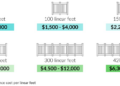
- Vinyl fencing typically has a higher upfront cost compared to wood fencing. The price of vinyl fencing can vary depending on the quality and style chosen, but it is generally more expensive than wood.
- Wood fencing, on the other hand, is usually more budget-friendly initially. The cost of wood fencing can vary based on the type of wood used, such as cedar or pine, and the design of the fence.
Long-term Value
- While vinyl fencing may have a higher initial cost, it often requires less maintenance over time. Vinyl fences are known for their durability and resistance to rot, insects, and weathering, which can lead to cost savings in the long run.
- Wood fencing, although cheaper upfront, may require more maintenance and upkeep. Regular staining, painting, and repairs are often needed to prolong the life of a wood fence, which can incur additional costs over time.
Initial Cost vs Long-term Benefits
When deciding between vinyl and wood fencing, it's essential to weigh the initial cost against the long-term benefits of each option. While vinyl fencing may require a higher investment at the beginning, its durability and low maintenance requirements can offer significant value over the years, potentially offsetting the initial cost. On the other hand, wood fencing's lower upfront cost may be appealing, but the ongoing maintenance expenses should be considered when evaluating the overall value of the fence.
Final Thoughts
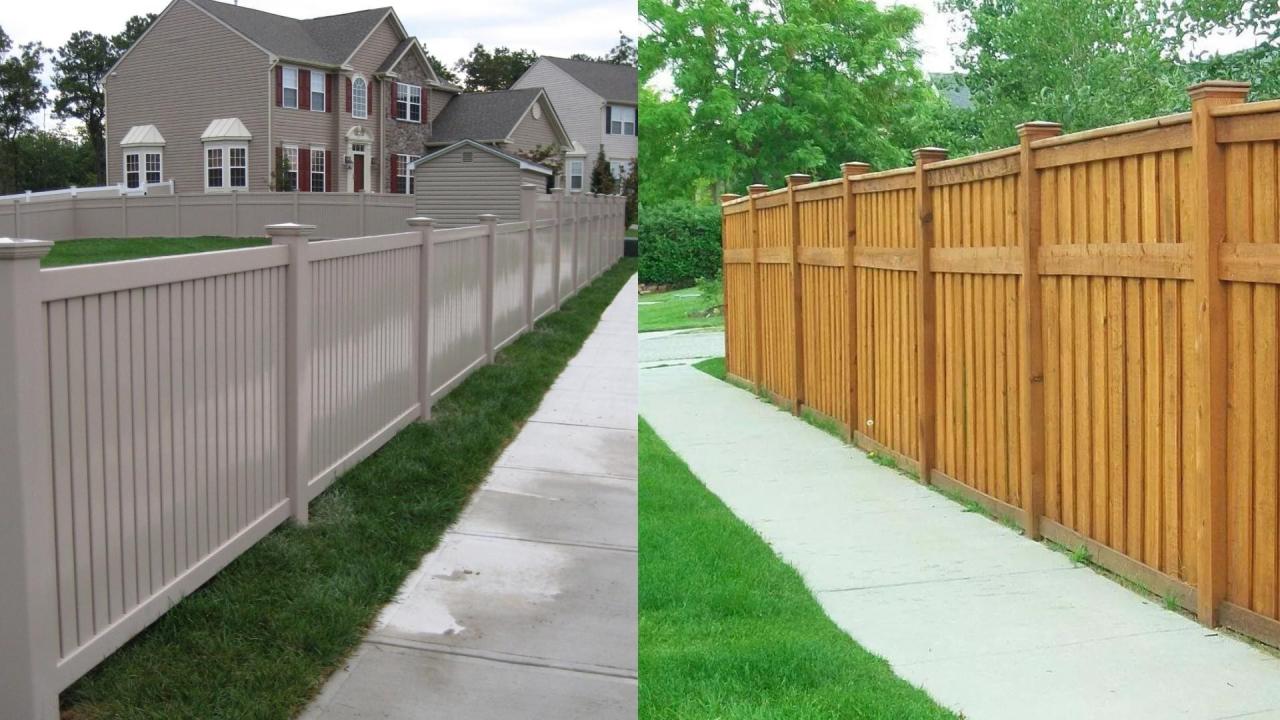
In conclusion, the debate between vinyl fencing and wood fencing for your modern backyard boils down to a balance between aesthetics, durability, and cost. By weighing the pros and cons of each material, you can make an informed decision that enhances the beauty and functionality of your outdoor space.
FAQ Compilation
What are the main differences between vinyl fencing and wood fencing in terms of maintenance?
Vinyl fencing typically requires less maintenance than wood fencing, as it does not need to be painted, stained, or sealed. It can be cleaned with soap and water, making it a low-maintenance option.
Which type of wood is commonly used for fencing purposes?
Cedar, pine, redwood, and spruce are some of the common types of wood used for fencing due to their durability, resistance to insects, and aesthetic appeal.
Is vinyl fencing more expensive than wood fencing in the long run?
While vinyl fencing may have a higher upfront cost compared to wood fencing, its minimal maintenance requirements and longer lifespan can make it a cost-effective choice in the long term.